
8 Stunning Patterns: From Classic Straight Planks to Modern Herringbone
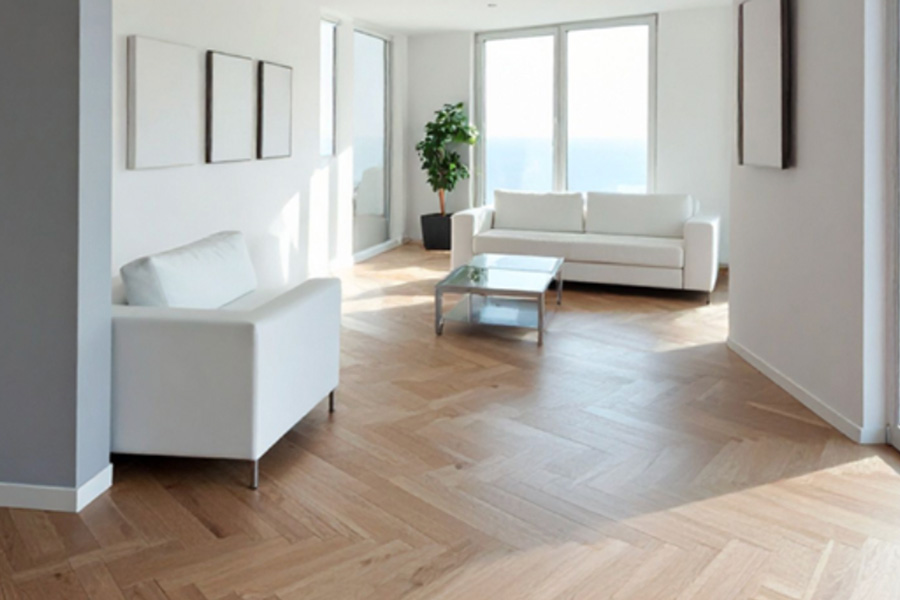
When it comes to interior design, the floor is often referred to as the “fifth wall.” It provides the foundation for your entire aesthetic, but many homeowners overlook one of the most powerful design tools at their disposal: the installation pattern. While the species and color of the wood are vital, the way the planks are laid can fundamentally change the architectural feel of a room, directing the eye and altering the perception of space.
From the understated elegance of traditional layouts to the complex geometry of European-inspired designs, choosing the right hardwood flooring solutions can turn a standard renovation into a bespoke masterpiece. Here are eight stunning patterns to consider for your home.
1. The Classic Straight Plank
The most common and timeless of all patterns, straight planks are installed parallel to each other along the length or width of a room. This pattern is prized for its simplicity and ability to showcase the natural grain and long vertical lines of the wood. It is particularly effective in minimalist or contemporary homes where a “clean” look is desired. Installing planks parallel to the longest wall can also make a narrow room feel significantly more expansive.
2. Random Width Layout
For those seeking a rustic or historic feel, the random width pattern is an excellent choice. Historically, floors were laid using whatever width of lumber was available from the tree. Today, this look is achieved by alternating rows of different widths—for example, 3-inch, 5-inch, and 7-inch planks. This breaks up the visual monotony and adds a layer of custom, handcrafted character to a space.
3. The Diagonal Transformation
Diagonal installation follows the straight plank method but sets the wood at a 45-degree angle to the walls. This is a subtle yet high-impact design choice. By cutting across the corners of the room, diagonal floors draw the eye outward, creating an illusion of more square footage. It’s a favorite for open-concept living areas where you want to add a sense of energy and movement without the complexity of a geometric weave.
4. Modern Herringbone
Herringbone is perhaps the most sought-after “prestige” pattern in modern design. In this layout, rectangular planks are joined at a 90-degree angle to create a broken zigzag. Because the planks overlap at the ends, it creates a rich, woven texture that feels both traditional and cutting-edge. It works exceptionally well in entryways and dining rooms, acting as a “permanent rug” that defines the space.
5. The Elegant Chevron
While often confused with herringbone, the Chevron pattern is distinct and requires precision craftsmanship. In a Chevron floor, the ends of the planks are cut at an angle so that they meet at a perfect point, creating a continuous “V” shape or a “zigzag” that runs in a straight line. The result is a sharp, clean, and highly symmetrical look that has been a staple in Parisian apartments for centuries. It adds an immediate sense of luxury and architectural intent to any room.
6. Parquet Squares
Parquet involves arranging small wood slats into repeated geometric squares or “tiles.” While popular in the mid-20th century, parquet is seeing a massive resurgence in high-end design. Modern parquet often features larger “Versailles” style panels or simple checkerboard weaves. It is a fantastic way to add a vintage, sophisticated flair to a study, home library, or formal parlor.
7. The Ship Deck (or Staggered) Pattern
This is a variation of the straight plank but with a specific focus on the joints. In a ship deck pattern, the vertical seams between planks are deliberately offset in a random or specific repeating sequence. This mimics the look of classic nautical decking. It is a functional and sturdy-looking pattern that feels grounded and is excellent at hiding the slight natural expansion and contraction of wood in varied climates.
8. Picture Frame Borders
If you want to highlight a specific feature—like a fireplace, a kitchen island, or a grand staircase—a picture frame border is the ultimate finishing touch. This involves installing a few rows of planks around the perimeter of the room (or a specific feature) that run perpendicular to the main floor. Some designers even use a contrasting wood species or a darker stain for the border to create a “framed” effect that screams custom luxury.
The pattern you choose should complement the scale of your furniture and the natural light of the room. A complex pattern like Herringbone can feel busy in a very small, cluttered room, while a simple straight plank might feel too plain in a massive, high-ceilinged great room.
Ultimately, the installation pattern is where your personality shines through. By moving beyond the standard horizontal layout, you can create a floor that doesn’t just sit under your feet—it tells a story of craftsmanship and style. Whether you prefer the sharp angles of a Chevron or the rustic charm of random widths, the right pattern ensures your hardwood is truly the star of the home.

Leave a reply
You must be logged in to post a comment.






If you need some professional or DIY home-related tips? You have clicked the https://www.prettypracticalhome.com/.
Bookmark this blog to get ideas about Home Improvement, Interior Design or Any other Home Improvement project. Keep visiting the blog as we maintain on daily basis.