
Why Septic Inspections Are Critical Before Any Home Addition or Renovation
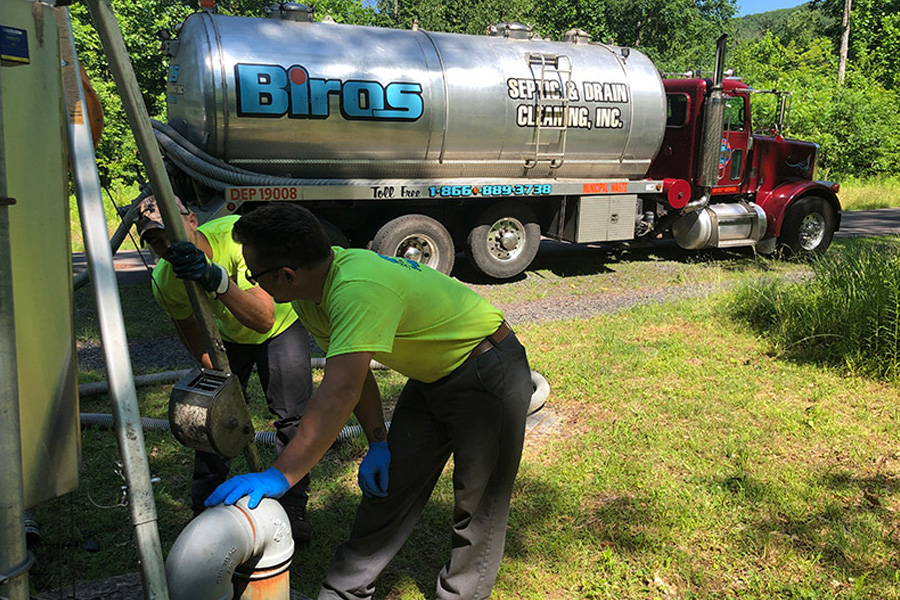
Image Source: www.birosseptic.com
Planning a home addition or major renovation is exciting. Whether you’re adding a master suite, finishing a basement, building a guest cottage, or expanding your kitchen, a renovation project can dramatically improve your quality of life and increase your property value. But if your home runs on a septic system, there’s a critical step that too many homeowners skip before the first shovel hits the ground: a thorough septic inspection.
Residential septic inspections before renovations aren’t just a smart precaution. In many cases, they’re the difference between a renovation that goes smoothly and one that grinds to an expensive halt. Here’s what every homeowner with a septic system needs to know before starting any construction or expansion project.
Your Septic System Has Limits, and Renovations Can Push Past Them
Every septic system is designed to handle a specific volume of wastewater based on the home’s size, the number of bedrooms, and the number of occupants the system was originally permitted for. That design capacity is calculated during installation and baked into the permits, the tank size, the drain field layout, and the soil absorption rate.
When you add square footage, a new bathroom, a laundry room, or more people living under one roof, you’re adding more daily water use and more strain on a system that was never designed for that load. A septic system that’s been functioning perfectly for years can quickly become overwhelmed when the household’s wastewater output increases significantly.
A pre-renovation septic inspection gives you a clear picture of whether your current system can handle what you’re planning, or whether upgrades need to happen first.
What a Pre-Renovation Septic Inspection Actually Covers
A professional septic inspection before a renovation goes beyond a quick visual check. Depending on the scope of your project, a thorough inspection may include:
Tank condition and capacity assessment. A technician will evaluate the current state of your tank, including its size, structural integrity, and how close it is to capacity. If your tank is undersized for the expanded home, that’s something you need to know before construction begins.
Drain field evaluation. The drain field, also called a leach field, is where treated wastewater disperses into the soil. If this area is already stressed or showing signs of saturation, adding more wastewater output could cause it to fail. Drain field repairs or replacements are among the most expensive septic fixes a homeowner can face.
System locating. One of the most overlooked issues during home renovations is building too close to, or directly on top of, an existing septic system component. Tanks, distribution boxes, and drain field lines are often buried without much visual indication on the surface. A professional can locate and map your system so your contractor knows exactly where not to dig, build, or pour concrete.
Camera and line inspection. A camera inspection of your sewer and septic lines can reveal cracks, root intrusion, bellied pipes, or partial blockages that may not be causing obvious symptoms yet but will become serious problems once construction adds stress to the system.
Hydraulic load testing. For significant additions, a hydraulic load test evaluates how well your system handles increased water volume. This is particularly relevant when you’re adding bathrooms, a laundry room, or increasing the number of people the home will house.
The Permitting Problem Nobody Talks About
Here’s something that surprises many homeowners: your renovation permits may depend on your septic system’s approval.
In many jurisdictions, building permits for additions that increase the number of bedrooms or bathrooms require verification that the existing septic system can support the expanded load. If your system isn’t up to code or can’t meet the increased demand, your permit application could be denied or delayed until septic upgrades are completed.
Discovering this after you’ve already hired a contractor and started purchasing materials is a costly and stressful situation that a pre-renovation inspection could have prevented entirely. Getting the inspection done early means you’re moving through the permitting process with complete information, not scrambling to catch up.
Construction Can Damage Your Septic System Without Anyone Realizing It
Even when your septic system isn’t being directly modified, a renovation project can put it at risk. Here’s how:
Heavy equipment. Excavators, dump trucks, concrete mixers, and other heavy construction machinery can compact the soil above your drain field, reducing its ability to absorb and treat wastewater. Driving over or parking near a drain field, even repeatedly, can cause long-term damage that doesn’t show up immediately.
Excavation near system components. If your contractor isn’t given an accurate system map, excavation work can accidentally break sewer lines, damage the tank, or disrupt the distribution box.
Increased water use during construction. Construction crews use water. Concrete work, cleaning, and general job site activity can temporarily increase water usage on the property, sometimes significantly.
Changes to drainage and grading. Renovations that alter the slope of your yard or redirect stormwater runoff can push excess water toward your drain field, saturating the soil and compromising system performance.
A pre-construction inspection puts you and your contractor in a position to plan around these risks, rather than discovering them after the damage is done.
Adding a Bathroom? This Is Non-Negotiable
Of all renovation projects, adding a bathroom is the one where a pre-renovation septic inspection is most critical. Every additional bathroom represents a meaningful increase in daily wastewater volume, and many septic systems simply aren’t designed for it.
The number of bedrooms in a home is often used as the benchmark for calculating septic system capacity, because bedrooms are a reliable indicator of occupancy. When you add a bathroom, especially in a space that’s being converted into additional living quarters, it may trigger a formal septic review as part of the permitting process regardless of whether you request one.
If your system is already undersized for your current home or nearing the end of its functional life, you may need to upgrade your tank, expand your drain field, or both before the addition can move forward. Finding that out before the bathroom framing goes in gives you time to plan and budget. Finding it out midway through construction is a different experience entirely.
Perc Tests and New System Planning
If your renovation involves adding a detached dwelling, an accessory dwelling unit, or a significant addition to a home that currently operates near the edge of its septic capacity, you may need a percolation test, commonly called a perc test, to determine whether the soil can support an expanded or new septic system.
A perc test measures how quickly the soil absorbs water, which directly affects the type and size of drain field that can be installed on your property. Not all soil types pass, and not all properties have enough space for an expanded system. Understanding your soil conditions and available land before committing to a major addition is critical planning information.
This is also relevant for homeowners who are considering converting a detached garage, barn, or outbuilding into livable space. If that space includes plumbing, it will need to connect to a properly sized septic system.
What Happens If You Skip the Inspection
Skipping the pre-renovation septic inspection is a risk that can show up in several ways, none of them pleasant.
You may encounter permitting delays that push your construction timeline back by weeks or months. You may discover mid-project that your septic system can’t support the renovation, forcing a pause until upgrades are completed. Your contractor may accidentally damage system components during excavation or grading. Or, after the renovation is complete and your family is finally enjoying the new space, you may start experiencing system backup, slow drains, or drain field failure driven by the increased load.
All of these scenarios are more expensive and more disruptive than the cost of a thorough inspection before construction begins.
Plan Ahead So the Renovation Goes the Way You Imagined
A home renovation is a significant investment, and it deserves a solid foundation, not just structurally, but in terms of your home’s entire infrastructure. Your septic system is one of the most important systems your home has, and it works quietly in the background to keep everything running.
Before you finalize plans with an architect, pull permits, or hire a contractor, add a professional septic inspection to your pre-renovation checklist. Know your system’s current condition, understand its capacity, and get a clear map of where your components are located. That information will protect your investment, keep your project on schedule, and give you the confidence to move forward with your renovation plans.
The best time to discover a septic limitation is before the renovation starts, not after. Make the inspection part of your planning process, and your project will thank you for it.
If you’re preparing for a home addition or renovation and want to make sure your septic system is ready to support it, reach out to a certified septic professional in your area to schedule a pre-renovation inspection. A little planning now goes a long way toward protecting your investment.



Leave a reply
You must be logged in to post a comment.






If you need some professional or DIY home-related tips? You have clicked the http://www.prettypracticalhome.com/.
Bookmark this blog to get ideas about Home Improvement, Interior Design or Any other Home Improvement project. Keep visiting the blog as we maintain on daily basis.