
What Happens After Water Enters Your Home? A Practical Guide to Hidden Damage
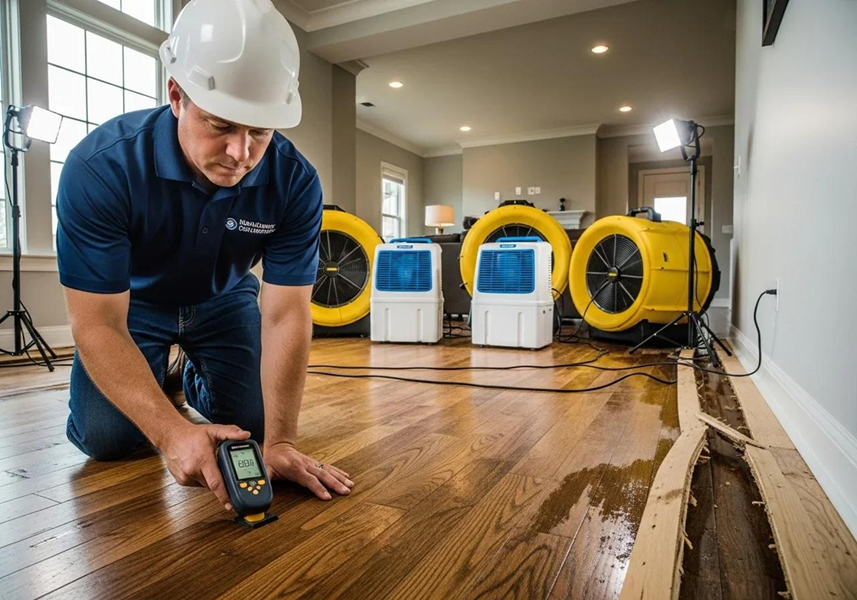
Water damage is not always as obvious as a flooded basement or a soaked carpet. Sometimes, the most serious problems develop in places homeowners rarely inspect, such as behind walls, beneath flooring, or inside insulation.
A leaking appliance, overflowing bathtub, damaged roof, or burst pipe can introduce moisture into building materials long before visible deterioration appears.
Understanding how water affects a home can help property owners recognize warning signs, avoid common cleanup mistakes, and make better decisions about repairs.
Why Water Damage Often Extends Beyond the Visible Area
When water enters a building, it does not necessarily remain where it first appears. Depending on the materials involved, moisture can travel along flooring joints, soak into drywall, or accumulate beneath cabinets.
Porous materials are particularly vulnerable because they absorb moisture rather than simply allowing it to evaporate from the surface.
Drywall, insulation, carpeting, and some wood products can retain moisture even when their outer surfaces feel relatively dry.
This explains why wiping up standing water is not always enough to resolve a water intrusion problem.
For example, a dishwasher leak might leave only a small puddle on the kitchen floor. However, if the leak continued unnoticed, moisture could have reached the subfloor or nearby wall cavities.
The extent of the damage depends on factors such as the volume of water, the duration of exposure, the affected materials, and how quickly drying begins.
Recognizing these possibilities early helps homeowners decide whether additional inspection is necessary.
Warning Signs That Moisture May Be Trapped
Hidden water damage can produce subtle changes before a major problem becomes obvious.
Homeowners should pay attention to the following warning signs:
- Discoloration: Yellow or brown patches on walls and ceilings may indicate previous or ongoing moisture exposure.
- Peeling paint or bubbling wallpaper: Moisture can weaken the bond between wall finishes and the underlying surface.
- Warped flooring: Wood planks, laminate materials, and other floor coverings may swell, buckle, or separate after absorbing water.
- Persistent musty odors: Unusual odors can indicate damp materials or microbial growth in concealed areas.
- Soft or deteriorating surfaces: Drywall, trim, and other building materials may lose strength after prolonged moisture exposure.
Not every stain or odor means extensive damage is present. Nevertheless, recurring symptoms deserve attention, especially when they appear after a plumbing leak, heavy rainfall, or an appliance malfunction.
A moisture meter or professional inspection may help determine whether dampness remains behind seemingly dry surfaces.
When Cleanup Becomes a Restoration Project
Small amounts of clean water on a nonporous surface can sometimes be managed with basic household cleaning and drying.
However, the situation changes when moisture reaches building cavities, affects multiple rooms, or involves contaminated water.
Professional restoration may require water extraction, controlled drying, dehumidification, moisture monitoring, and the removal of materials that cannot be properly cleaned or dried.
For homeowners dealing with extensive damage, consulting a Long Island restoration company can help clarify which materials may be recoverable, what additional drying is necessary, and whether structural repairs should be considered.
The important distinction is between making a surface appear dry and confirming that the affected building materials have reached an appropriate moisture condition.
Depending on the circumstances, restoration professionals may use specialized equipment to evaluate moisture levels in walls, flooring, and other affected areas.
They can also identify situations where cleanup alone is insufficient and additional repairs are required.
This assessment becomes particularly important when water has traveled into inaccessible spaces or when the original moisture source has not been fully resolved.
Common Mistakes Homeowners Make After Water Intrusion
Even well-intentioned cleanup efforts can leave problems unresolved.
One common mistake is relying entirely on visible appearance. A dry-looking floor does not prove that the materials underneath it are dry.
Another mistake is replacing damaged finishes before identifying the source of the moisture. Installing new drywall or flooring while an underlying leak remains active can result in repeated damage.
Homeowners should also avoid assuming that all water is equally safe to handle.
Water from a clean supply line presents different concerns from sewage backups, floodwater, or water that has contacted potentially contaminated materials.
When contamination is possible, protective measures and professional evaluation may be necessary.
Electrical safety is another important consideration. Water near outlets, appliances, electrical panels, or exposed wiring should never be approached casually. If electrical hazards are suspected, stay clear of the affected area and contact a qualified professional.
Finally, homeowners sometimes discard damaged materials before documenting the condition of the property.
Photographs, written notes, and relevant repair records can help support communication with contractors and insurance providers.
How to Reduce the Risk of Long-Term Damage
Although not every water-related emergency can be prevented, regular maintenance can reduce avoidable exposure.
Start by checking plumbing connections around sinks, toilets, water heaters, washing machines, and dishwashers. Even a slow leak can affect nearby cabinets, flooring, and walls over time.
Inspect the roof and exterior building envelope for damage that could allow rainwater to enter.
Keep gutters and downspouts clear so water can drain away from the home rather than collect near vulnerable areas.
Inside the property, monitor basement humidity and investigate condensation or recurring dampness instead of simply masking odors.
Homeowners should also know where the main water shutoff valve is located. Being able to stop a plumbing leak promptly can help limit the amount of water entering a property.
After a significant leak, documenting affected areas and checking for continuing moisture can make follow-up decisions easier.
The goal is not to eliminate every possible risk. It is to recognize developing problems before they require more extensive repairs.
Conclusion
Water intrusion can affect much more than the surfaces homeowners can see. Moisture may remain in flooring, walls, insulation, and other building materials long after the initial water has been removed.
Understanding warning signs, recognizing the limits of ordinary cleanup, and addressing the original source of water are essential parts of protecting a property.
With timely attention, appropriate drying, and informed repair decisions, homeowners can reduce the likelihood of preventable damage and restore affected spaces more effectively.


Leave a reply
You must be logged in to post a comment.






If you need some professional or DIY home-related tips? You have clicked the http://www.prettypracticalhome.com/.
Bookmark this blog to get ideas about Home Improvement, Interior Design or Any other Home Improvement project. Keep visiting the blog as we maintain on daily basis.