
Rodent Control in Long Beach – Keeping Rats Away from Homes Near Harbors, Shorelines, and Parks
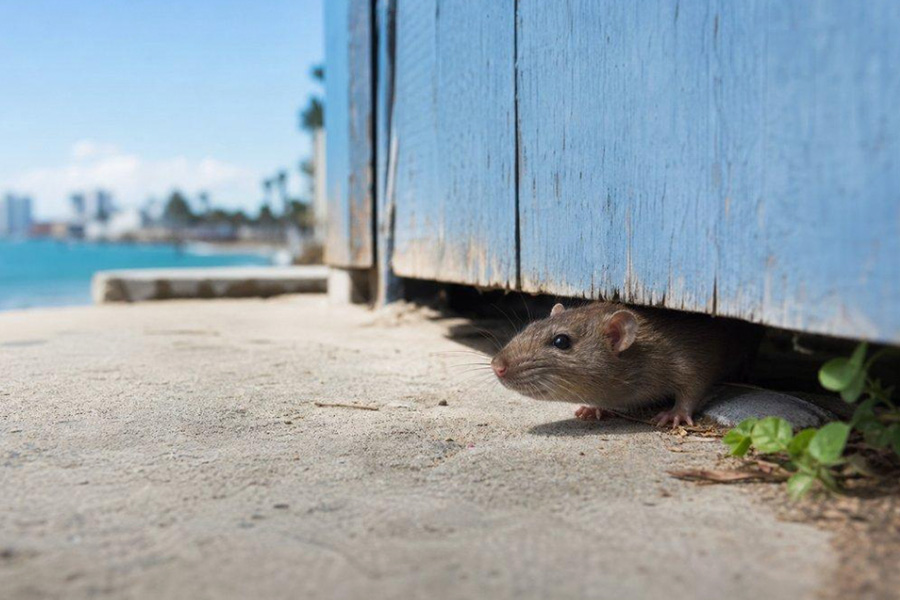
Residential rodent prevention
Scratching at night, chewed packaging, or droppings around boxes may indicate rats in your home. While it’s important to get rid of rats that have already gotten into your home, it’s also crucial to make your home less rewarding to future rats.
What Rats Are Looking For
Rats are incredibly resourceful critters with impressive climbing abilities, and can fit through surprisingly tiny spaces. While eliminating rats that have already gotten in is important, you can take proactive measures to make your home less rewarding to rats. Here’s what rats are looking for when they scout out an area, and what you can do to discourage rats from sticking around:
- Food. Fallen fruit, pet food, birdseed, trash, and compost (especially if it contains dairy, grease, meat, or cooked foods) can all attract rats. Store pet food indoors, keep trash cans covered and free of overflow, keep compost free of rat-attracting foods, and pick up after fallen fruit.
- Water. Rats can get most of the water they need from food, but dripping hoses, pet water bowls, and irrigation systems can attract rats. Fix dripping hoses and irrigation systems, and bring pet water bowls inside at night.
- Shelter. Piles of firewood, brush, shrubbery, clutter, and other materials can give rats plenty of places to hide. Keep brush and shrubbery away from your home, and store firewood and other materials off the ground and away from your home.
- Travel routes. Rats will burrow under foundations, climb into homes through gaps around doors, pipes, vents, and utility lines, and take advantage of any other openings they can find. Seal gaps, and make sure doors, pipes, vents, and utility lines entering your home are rat-proofed.
If you’s already got rats hanging out in your attic, crawlspace, shed, garage, wall void, or elsewhere, trapping may help, but without addressing the conditions attracting rats to your home, you may find that the rat problem quickly returns. If you’re dealing with rats in or around your Long Beach home, give us a call!
Check the Edges and Close the Gaps
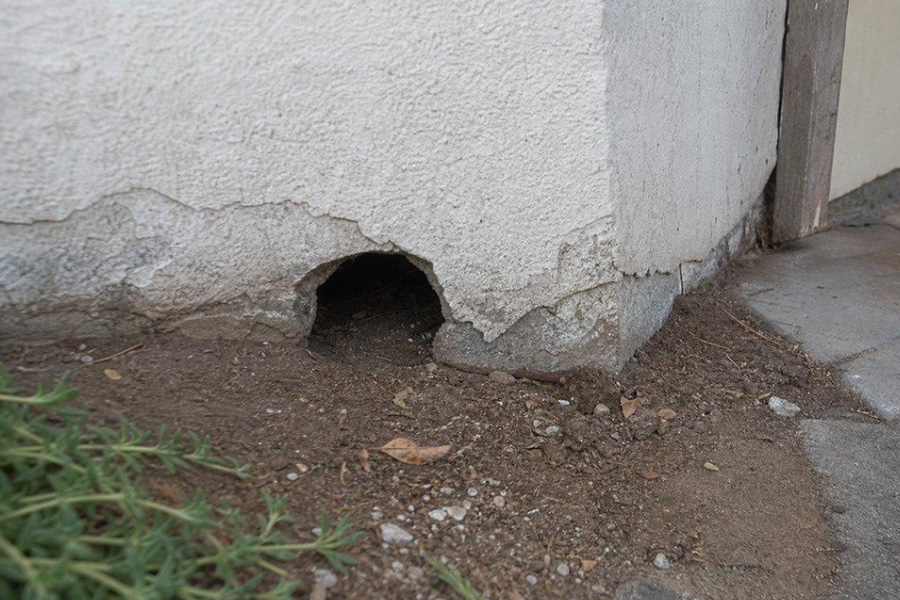
Rodent entry point inspection
Rats typically run along edges, so pay particular attention to areas along foundations, fences, gates, decks, etc. during your inspection. Look for burrows, runways (narrow trails worn into vegetation), gnaw marks, droppings, and other evidence of rats.
Keep shrubbery and other vegetation away from windows, siding, and rooflines. Store brush piles and other materials off the ground and away from structures. Keep trash cans covered, and free of trash around the lid and base. Bring pet food and water bowls inside at night.
Note: If there’s no evidence of gnawing, droppings, burrows, runways, or other signs of rats, and you suspect that a rat may have simply gotten in through an open door, this level of inspection is probably overkill. But if you suspect rats may be hanging around your home, a quick check of the above items can help prevent a one-time rat visitor from turning into a more persistent problem, which is where the focus of rodent control Long Beach turns to access points and attractants around the property.
Seal the Exterior
Pay particular attention to areas around pipes, cables, and other utilities coming into your home, vent covers (especially broken or missing screens), openings under decks, gaps around doors (especially garage doors), gaps around siding, utility boxes, and foundations, and attic, roof, and crawlspace vents (especially if they’re missing screens). As a rule of thumb, if you can see light under a door, rats can probably get under it, because rats can squeeze through gaps as small as about ¼”. Use sturdy sweeps to seal gaps under doors, and rat-proof, using rat-resistant materials since rats can chew through foam, other gaps and openings.
Clean Up and Keep Monitoring
Clean up droppings and other evidence of rats (nesting material, chewed bags of food, etc.) carefully, and do not sweep or vacuum dry droppings, as this can kick rat-feces-contaminated dust into the air and create a risk of hantavirus exposure (https://www.niaid.nih.gov/diseases-conditions/hantavirus). Ventilate the area, put on gloves, and wet down droppings with a disinfectant solution before wiping them up with disposable paper towels.
Keep Food Sealed and Traps Checked
Store pantry items (pet food, grains, snacks, baking ingredients, etc.) in hard-sided containers with tight-fitting lids. Pay particular attention to less-obvious storage areas like closets, storage rooms, behind cabinets, under ovens, etc.
Use of traps, placed against walls where rats typically run, checked frequently, and kept away from children and pets, can help control rats indoors. If traps are disturbed frequently, you notice other evidence of rats (smells, damaged electrical wiring, etc.) in hard-to-reach areas, or suspect a larger rat problem, it may be time to call in the professionals.
After rats have been removed from an area, continue to monitor with traps for at least a week, looking for fresh rat droppings, chewed items, etc. After that, it’s a good idea to re-check door sweeps, trash can lids, building perimeters (for brush piles, etc.), and rat-proofing at least once a month.
Next Step: Check the exterior of your home along the foundation and mark down problem areas (missing rat-proofing, broken vent screens, brush piles, uncovered trash cans, etc.).



Leave a reply
You must be logged in to post a comment.




If you need some professional or DIY home-related tips? You have clicked the http://www.prettypracticalhome.com/.
Bookmark this blog to get ideas about Home Improvement, Interior Design or Any other Home Improvement project. Keep visiting the blog as we maintain on daily basis.