
Is Solid Core Laminate Overkill for Renovations?
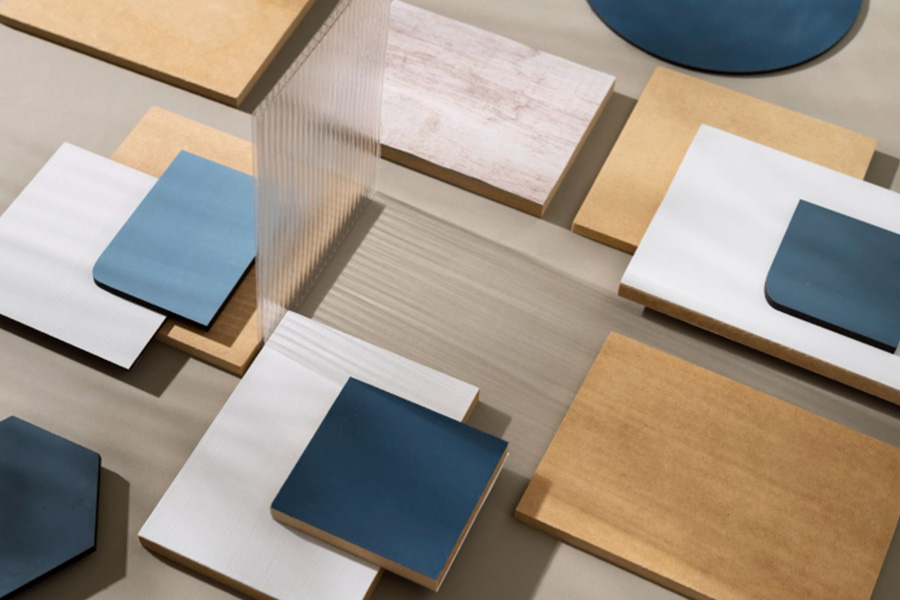
Key Takeaways
- Solid core laminates offer higher impact resistance and durability, but they are not necessary for every renovation scenario.
- Over-specifying solid core laminates can inflate renovation costs without delivering proportional functional benefits.
- Usage intensity, surface location, and maintenance expectations should drive material selection decisions.
- A reputable laminate supplier can help align laminate specifications with actual use cases rather than perceived premium value.
Introduction
Solid core laminates are often positioned as a premium upgrade in renovation projects, frequently recommended for their durability and structural consistency. However, many homeowners and project managers are now questioning whether solid core laminates are genuinely necessary or simply excessive for typical residential and light commercial interiors.
Explore a clear decision framework to assess whether solid core laminates are overkill for your renovation, focusing on functional requirements rather than marketing narratives.
What Solid Core Laminates Actually Offer
Solid core laminates are manufactured with a dense, homogeneous core, providing greater impact resistance and edge durability compared to standard decorative laminates. This construction allows them to withstand frequent contact, knocks, and wear, particularly in high-traffic or high-touch environments. Due to this, they are commonly specified for commercial interiors, institutional settings, and areas where surface abuse is expected.
That said, these performance benefits come with higher material and installation costs. A laminate supplier may highlight these advantages, but the relevance of such features depends entirely on how and where the laminate will be used.
When Solid Core Laminates Make Practical Sense
Solid core laminates are justified in situations where surfaces experience repeated physical stress. Examples include kitchen cabinet doors used by multiple occupants, wardrobe systems in rental properties, retail counters, or office pantries with constant use. The higher density, in these cases, reduces chipping, edge failure, and surface fatigue over time.
They are also suitable for applications where thinner substrates or exposed edges are unavoidable, as the structural consistency of solid core laminates maintains visual integrity even after years of use. Specifying solid core laminates, in such scenarios, is a functional decision rather than a cosmetic one.
When Solid Core Laminates Are Likely Overkill
Standard laminates already meet durability requirements in many residential renovations, especially owner-occupied homes with controlled usage. Wardrobe interiors, feature panels, bedroom cabinetry, and low-contact vertical surfaces rarely experience the level of stress that justifies solid core laminates.
Over-specifying these materials in low-impact zones can lead to unnecessary cost escalation. Homeowners often assume higher price equates to a longer lifespan, but in reality, usage patterns determine wear far more than core density alone. Working with a laminate supplier to identify mid-range laminates with suitable surface finishes often delivers better cost-efficiency for such areas.
Cost Versus Functional Value Assessment
A practical decision framework should weigh cost against measurable functional value. Solid core laminates typically increase material costs and may require more precise fabrication. Once the surface does not face frequent impact, moisture exposure, or public use, the return on investment diminishes.
Rather than defaulting to premium materials across all joinery, a targeted approach is more effective. Use solid core laminates selectively in high-risk zones while specifying standard laminates elsewhere. This strategy preserves performance where it matters without inflating the overall renovation budget.
The Role of a Knowledgeable Laminate Supplier
An experienced laminate supplier in Singapore plays a critical role in preventing over-specification. Instead of pushing premium options by default, a competent supplier evaluates project context, usage intensity, and maintenance expectations before making recommendations.
Clear communication with your supplier about how each surface will be used allows for rational material selection. This approach reduces the likelihood of paying for features that will never be utilised while ensuring durability is not compromised where it is genuinely required.
Conclusion
Solid core laminates are not inherently excessive, but they are frequently overused. Their value lies in targeted application, not blanket specification. Renovators can make informed decisions that balance durability, performance, and cost without unnecessary overinvestment by assessing actual usage patterns and working closely with a laminate supplier.
Contact Jennings to choose solid core laminates where durability is non-negotiable.


Leave a reply
You must be logged in to post a comment.





If you need some professional or DIY home-related tips? You have clicked the https://www.prettypracticalhome.com/.
Bookmark this blog to get ideas about Home Improvement, Interior Design or Any other Home Improvement project. Keep visiting the blog as we maintain on daily basis.