
The Ultimate Guide to Banishing a Mouldy Ceiling and Reclaim Your Sanctuary
Key Takeaways
- A mouldy ceiling is a biological ecosystem that requires structural intervention.
- Mould mites are directly linked to fungal food sources; removing the mould is the only way to eliminate the pests permanently.
- Professional remediation provides long-term savings by preventing the recurrent cycle of spores and structural decay.
- Maintaining indoor humidity below 60% is the primary defence against microscopic invaders in a tropical climate.
Introduction
It usually starts with a faint, musty scent or a few grey speckles in the corner of the bathroom, but left unaddressed, these signs can quickly escalate into a full-scale domestic crisis. Finding a mouldy ceiling is a signal that your home’s environmental balance has shifted. Beyond the dark patches of fungi lies a hidden world of microscopic activity, including tiny scavengers that thrive in damp corners.
Why a Mouldy Ceiling is More Than Just a Stain
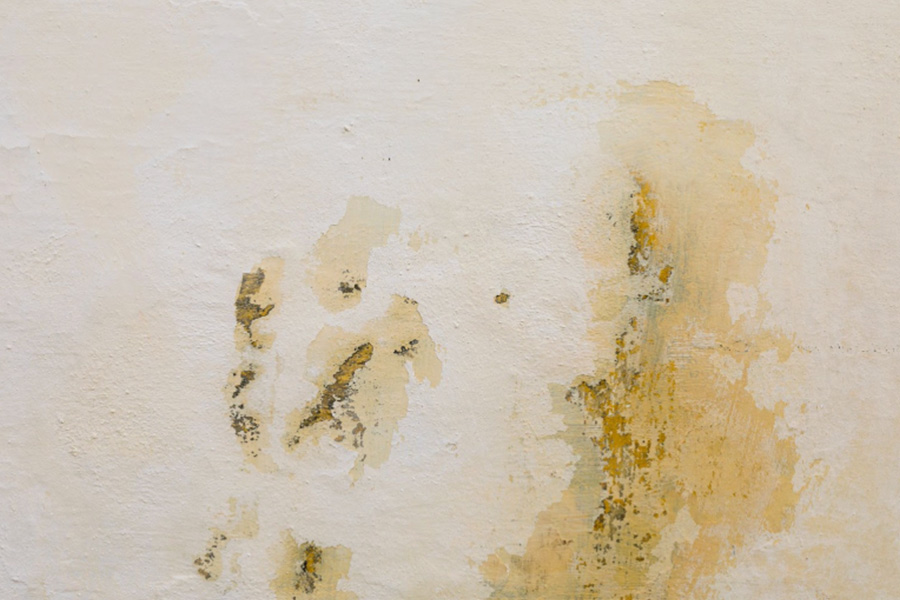
When a mouldy ceiling appears, it is the result of condensation that has occurred over several weeks or months. In Singapore’s high-humidity environment, warm air holds significant moisture; when this air hits a cooler, shaded ceiling surface, it deposits tiny droplets of water. This moisture, combined with the organic materials found in standard house paint and dust, creates a buffet for fungal spores. Unlike a spill on a countertop, mould sends out microscopic roots called hyphae that penetrate the plasterboard or concrete. Effective treatment requires a shift in perspective, moving from seeing a stain to seeing an active biological colony that needs to be neutralised at the source.
How to Get Rid of Tiny Scavengers for Good
If you have noticed a fine, “crawling” dust on your shelves or near damp walls, you are likely dealing with Tyrophagus putrescentiae, commonly known as mould mites. They feed exclusively on the fungi and yeasts that grow in damp environments. Many homeowners search for how to get rid of mould mites by reaching for standard insect sprays, but this is a temporary fix at best. To truly clear your home, you must eliminate their food source. By drying out the environment and removing the fungal colonies, you create an inhospitable desert for these mites.
The Biology of Spore Dispersal
Mould reproduces through spores that are so light they can remain airborne for days, travelling through ventilation shafts and settling on almost any surface. When we attempt to clean a mouldy ceiling with a dry cloth, we inadvertently trigger a spore cloud, sending millions of invisible particles into the air to settle elsewhere in the home. This is why professional remediation involves containment strategies, such as negative air pressure or specialised fogging. By understanding these micro-details, homeowners can see that the solution is about managing the invisible air quality and moisture levels that allow the biology to thrive in the first place.
What Determines the Cost of Professional Mould Removal
When a domestic cleaning routine fails to stop the spread, the next logical step is professional intervention. However, many residents are hesitant because of the perceived ambiguity of the mould remover price in Singapore. In reality, the cost is determined by several transparent factors: the total surface area affected, the height of the ceilings, and the depth of the infestation. It is important to view these costs as a form of structural insurance. Investing in a professional service ensures that the underlying hyphae are neutralised, saving you from repeated costs and the potential health risks associated with long-term exposure to allergens.
Proactive Approach to Preventing Mould in the Home
Engineering a mould-resistant environment in a tropical climate requires a multi-pronged approach. First, ensure that your air conditioning units are regularly serviced, as a clogged drainage pipe is a common cause of ceiling leaks. Second, consider using anti-mould paints to inhibit the growth of spores. Finally, using dehumidifiers in rooms with poor natural ventilation. By keeping the indoor environment dry and well-ventilated, you make it impossible for a mouldy ceiling to take hold. This proactive stance protects your property’s value and ensures that the air your family breathes remains clean, crisp, and free from the irritants that these microscopic intruders bring into our lives.
Conclusion
Mastering your home’s environment is a journey from reactive cleaning to proactive management. By understanding that a mouldy ceiling is a symptom of environmental imbalance, you can address the root causes of how to get rid of mould mites by removing their habitat. While the mould remover price in Singapore may vary depending on the severity of the issue, the value of professional remediation lies in its ability to break the cycle of regrowth. With the right knowledge and a commitment to moisture control, you can ensure your sanctuary remains a healthy, fungus-free zone for years to come.
Curious about the unseen guests in your walls? Reach out to MouldGone today to learn more.


Leave a reply
You must be logged in to post a comment.





If you need some professional or DIY home-related tips? You have clicked the https://www.prettypracticalhome.com/.
Bookmark this blog to get ideas about Home Improvement, Interior Design or Any other Home Improvement project. Keep visiting the blog as we maintain on daily basis.