
Choosing the Right Lawn for Your Australian Home: A Complete Guide to Turf Selection and Care
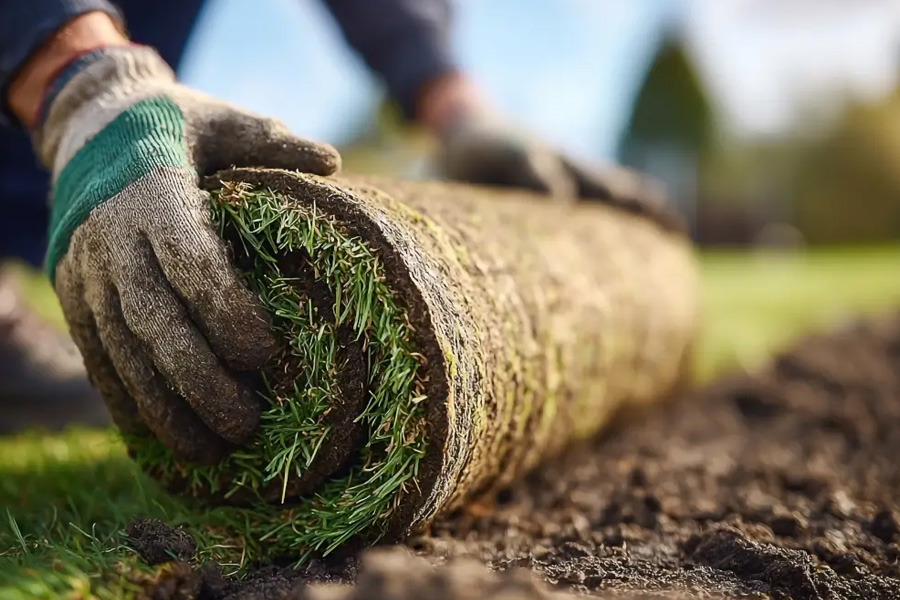
Image Source: topsoil.co.uk
A healthy, green lawn can completely change the look and feel of your outdoor space. Whether you are building a new home, renovating your backyard or replacing an old lawn, choosing the right grass is an important decision.
Australian lawns face several challenges, including hot summers, changing rainfall, heavy foot traffic and everyday wear from children and pets. The right turf variety can make lawn care easier while providing a comfortable outdoor area for the whole family.
However, creating a beautiful lawn involves more than simply choosing grass. Soil preparation, sunlight, watering and ongoing maintenance all contribute to long-term results.
This guide explains how to select suitable turf, prepare your garden and establish a healthy lawn that complements your lifestyle.
Understanding Your Lawn’s Needs
Before selecting a grass variety, consider how you plan to use your outdoor space.
Some homeowners want a soft, attractive lawn for relaxing. Others need durable grass that can handle energetic children, pets and regular outdoor activities.
Understanding your garden’s conditions will help you make a practical choice.
Consider Sunlight and Shade
Sunlight is one of the most important factors affecting lawn health.
Some grass varieties perform best in open areas receiving plenty of direct sunlight. Others tolerate partial shade and may be better suited to gardens surrounded by fences, trees or buildings.
Observe your garden throughout the day to understand how much sunlight different areas receive.
Think About Foot Traffic
A decorative front lawn may experience very little activity, while a family backyard often needs to withstand constant movement.
If children regularly play outside or pets run across the garden, choosing a resilient grass variety can help reduce visible wear.
Understand Your Maintenance Preferences
Every lawn requires some care, but maintenance needs vary between grass types.
Consider how frequently you are comfortable mowing, watering and fertilising your lawn.
Choosing grass that suits your routine can make long-term maintenance more manageable.
Choosing the Right Turf Variety
Australian homeowners have several grass options, but two popular choices for residential gardens are Cultivated Kikuyu and Sapphire Soft Leaf Buffalo.
Both can create attractive lawns when grown in suitable conditions.
Cultivated Kikuyu for Active Outdoor Spaces
For homeowners wanting a durable lawn that performs well in sunny conditions, kikuyu turf is worth considering.
Kikuyu is a vigorous-growing grass known for its ability to recover from regular wear. Its spreading growth habit makes it suitable for active family backyards and open outdoor spaces.
It generally performs best in areas receiving plenty of sunlight.
Its relatively fast growth can help damaged areas recover during favourable growing conditions. However, this also means regular mowing may be necessary during warmer months.
Kikuyu can be a practical option for households with children and pets, particularly where durability is more important than maintaining a slower-growing lawn.
Sapphire Soft Leaf Buffalo for Comfort
Sapphire Soft Leaf Buffalo is another option for homeowners seeking an attractive and comfortable lawn.
This grass has a soft leaf texture and can perform well in areas receiving a combination of sunlight and partial shade.
Its broad leaves create a dense appearance that suits many residential gardens.
Buffalo grass may also appeal to homeowners who prefer a lawn with a softer feel underfoot.
However, shade tolerance does not mean grass can grow successfully without adequate natural light.
The best choice depends on your garden’s conditions, how the lawn will be used and your preferred maintenance routine.
Why Soil Preparation Matters
Even high-quality turf can struggle if the soil underneath has not been prepared correctly.
Healthy soil supports root development, improves water movement and helps grass access essential nutrients.
Preparing the ground properly before laying turf can prevent several common lawn problems.
Remove Existing Grass and Weeds
Start by clearing old grass, weeds, roots and unwanted vegetation.
Removing existing growth reduces competition for water and nutrients while creating a cleaner surface for the new lawn.
Avoid laying fresh turf directly over an established lawn, as the new roots need proper contact with the soil.
Improve Soil Quality
Check whether your soil is compacted, sandy or heavy with clay.
Compacted soil can restrict root development, while excessively sandy soil may struggle to retain moisture.
Adding suitable lawn underlay soil or appropriate soil improvements can help create better growing conditions.
The exact preparation method depends on your existing soil.
Level the Ground
An uneven surface can cause water to collect in low areas and make mowing difficult.
Rake and level the prepared ground, ensuring water can drain away from buildings and other structures.
A smooth surface also makes the finished lawn look more consistent.
The Importance of Professional Lawn Installation
Correct turf installation plays an important role in helping new grass establish successfully.
Although some homeowners prefer laying turf themselves, professional assistance can be useful for larger gardens, uneven surfaces or properties requiring additional preparation.
Experienced installers understand how to prepare the ground, position turf rolls and encourage good contact between the grass and underlying soil.
Fresh turf should be laid promptly after delivery to reduce the risk of drying out.
The rolls should fit closely together without overlapping or leaving noticeable gaps.
Once the turf is positioned, watering helps settle the soil and provides moisture for developing roots.
Good preparation and careful laying give the new lawn a stronger foundation for healthy growth.
Why Fresh Turf Quality Makes a Difference
The condition of turf when it arrives at your property can influence how successfully it establishes.
Freshly harvested grass should have healthy leaves, a suitable soil layer and well-developed roots.
Buying directly from an experienced grower can also make it easier to understand where your turf comes from.
For example, Quality Turfing is a family-owned business based in Theresa Park, South West Sydney. Run by Chris and Suzanne Van Dijk, the company has more than 40 years of experience growing and supplying turf.
One advantage of its growing process is that the turf is supplied with a generous layer of soil, which helps support establishment after laying.
The business grows Cultivated Kikuyu and Sapphire Soft Leaf Buffalo, supplying homeowners across much of Sydney and surrounding regions.
Choosing fresh, suitable turf from a knowledgeable supplier can help homeowners make informed decisions about their new lawns.
How to Care for Newly Laid Turf
The first few weeks after laying a lawn are particularly important.
During this period, the grass needs sufficient moisture and suitable growing conditions to develop roots in the soil below.
Water Consistently
New turf generally requires frequent watering during establishment.
The aim is to keep the root zone moist without leaving the ground constantly waterlogged.
Watering requirements depend on temperature, rainfall, soil type and grass variety.
As roots become established, watering can gradually become less frequent and deeper to encourage stronger root development.
Always follow applicable local water restrictions.
Avoid Heavy Foot Traffic
Try to limit unnecessary walking, playing and pet activity on newly laid grass.
Heavy traffic before the roots have established can disturb turf rolls and create uneven areas.
Wait until the lawn is securely rooted before returning to normal outdoor activities.
Start Mowing at the Right Time
Avoid mowing immediately after laying new turf.
Allow the grass to establish and reach a suitable height before its first cut.
Use sharp mower blades and avoid removing too much leaf growth at once.
Gradual mowing helps maintain healthy grass without placing unnecessary stress on young roots.
Common Lawn Problems and How to Prevent Them
Even established lawns can develop problems when growing conditions are unsuitable.
Recognising early warning signs can help prevent minor issues from becoming more serious.
Yellow or Brown Patches
Discoloured areas may result from insufficient watering, poor drainage, pet urine, pests or nutrient deficiencies.
Before applying fertiliser or other treatments, identify the likely cause.
Thin or Patchy Growth
Thin grass may indicate excessive shade, compacted soil or repeated wear.
Improving growing conditions and reducing unnecessary traffic can help support recovery.
Excessive Weed Growth
Weeds often establish where grass coverage is weak.
Maintaining healthy turf through suitable mowing, watering and fertilising can help reduce opportunities for weeds to spread.
Choosing a Turf Supplier in South West Sydney
When planning a new lawn, it helps to choose a supplier familiar with local growing conditions.
Homeowners in Penrith, Oran Park, Leppington and the Lower Blue Mountains may experience different soil conditions and levels of sun exposure.
Quality Turfing supplies and delivers turf across these areas, as well as the Southern Tablelands, Highlands and Wollongong.
The company also provides lawn care advice to help homeowners select and maintain suitable grass.
Before ordering, measure your lawn area carefully, consider access for delivery and discuss any concerns about sunlight, drainage or maintenance.
These simple steps can make the process more straightforward.
Conclusion
Creating a beautiful lawn begins with choosing grass that suits your property and lifestyle.
Consider sunlight, foot traffic, soil conditions and maintenance requirements before deciding on a turf variety.
Cultivated Kikuyu can be a practical choice for sunny, active backyards, while Sapphire Soft Leaf Buffalo offers a softer lawn suitable for a range of residential settings.
Regardless of the variety, careful soil preparation, fresh turf and consistent early watering are essential for successful establishment.
With the right planning and ongoing care, homeowners can enjoy a healthy, attractive outdoor space that supports everyday family life for years to come.



Leave a reply
You must be logged in to post a comment.




If you need some professional or DIY home-related tips? You have clicked the http://www.prettypracticalhome.com/.
Bookmark this blog to get ideas about Home Improvement, Interior Design or Any other Home Improvement project. Keep visiting the blog as we maintain on daily basis.