
Home Maintenance Clues That Appear After Seasonal Weather Changes

After the first big heat wave, cold snap or weekend of heavy rain, some home issues will reveal themselves that went unnoticed for weeks. A basement that didn’t seem too wet last Friday night will smell wet cardboard-like today, and the AC condenser on your patio will be working overtime while your living room stays warm. These changes can be helpful because they offer you a chance to look at your heating and cooling system before it needs a repair technician in the middle of peak summer season.
Trace basement moisture before clearing the drain
After days of wet weather, musty smells around your basement stairs or near the furnace can be caused by anything from cardboard boxes to worn carpets. But also check the drain line and pan for your AC unit. Especially if there is a white PVC drain line going to a basement drain or utility sink, check that the drain line isn’t backing up. A blockage can leave a puddle under the AC indoor unit with a ring of dust around the drain pan like wet flour.
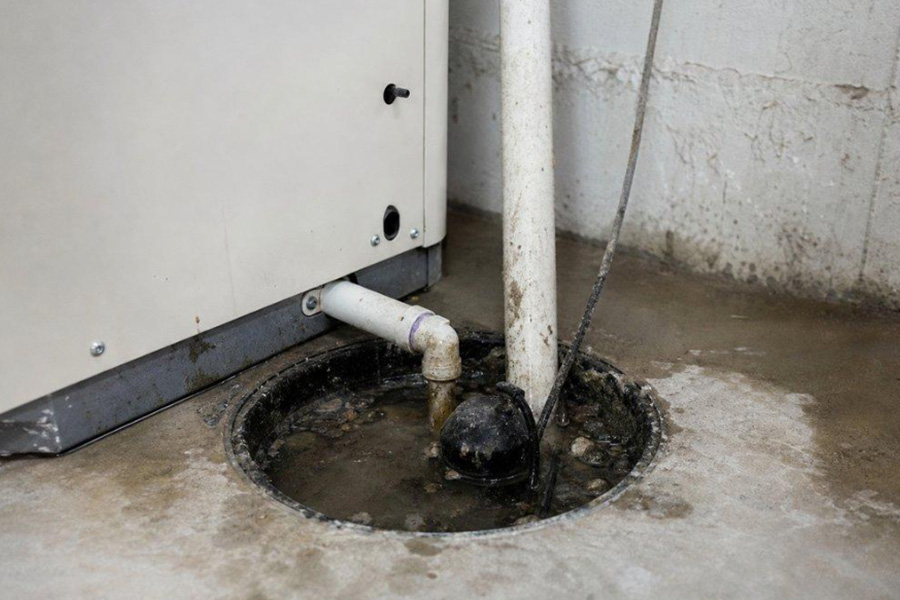
Indoor air conditioning drain components
Turn the system off first, then look for standing water in the pan, algae-looking sludge in the drain line, or a float switch that is blocking the AC from turning on. If you think your AC unit drain line is clogged, you’ll probably want to use proper tools instead of random household cleaning products to unclog it.
It’s also possible that a puddle by the indoor unit could come from a leaking AC duct or a plumbing leak directly above it. How do you know which one is causing the staining on your concrete?
Check airflow before blaming the cooling system
A large increase in your electric bill usually doesn’t go unnoticed until you see the statement in the mail a few weeks after the weather changes. But before you jump to the conclusion that your AC is breaking, check your air filter (get tips from https://www.cnet.com/home/ac-quick-fix/). If your filter has a thick layer of gray fuzz, dog hair or drywall dust on it, it might not allow enough air to pass through the system and could cause it to run longer than necessary.
Take the filter out and hold it up to a lightbulb or window. If no light comes through the pleats, put a new filter in of the right size printed on the frame. Also check all your air registers to make sure none of them are covered by books, blankets or a kid’s toy box; the practical side of seasonal starts there.
And if you set your thermostat lower than usual, you may notice a longer run time. Set a reasonable temperature, and see if the house gets to it without having to run continuously.
Keep runoff and debris away from the condenser
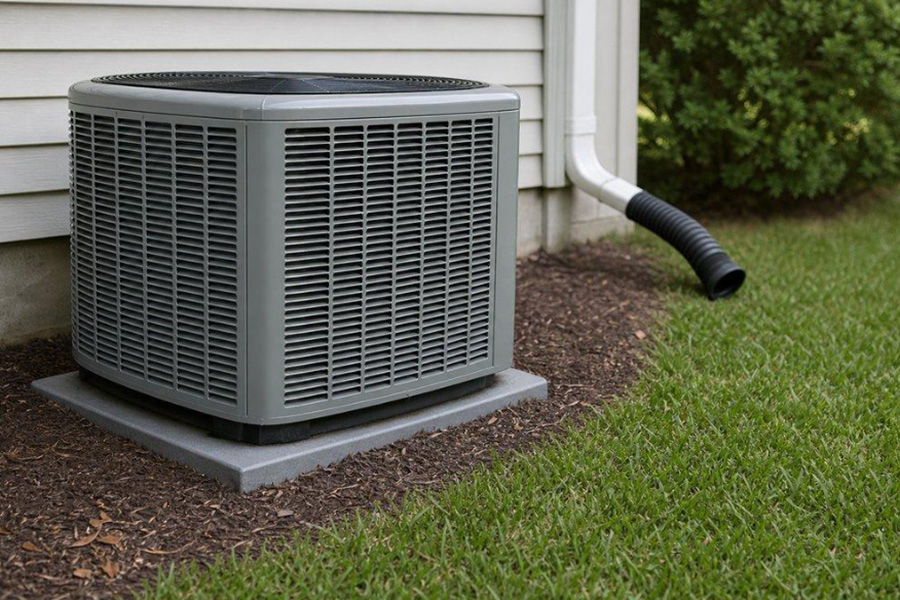
Outdoor air conditioning unit and drainage
Heavy rains can leave mud around the bottom of the outdoor AC unit, especially if a downspout is dumping right beside it. Water should drain away from the outdoor unit instead of pooling around electrical components and washing away dirt under it. Walk over to the downspout during the next rainstorm to see where it dumps; you may just need to add a couple feet of downspout to get the water past your outdoor unit.
Compare room temperatures and record what changes
A rattling window is a potential contributor to your AC problem if hot air from outside can slip in through a gap in a window pane or a missing piece of weatherstrip. During the day, take your hand along the window frame and around the lock. You might find a crack of light, a broken lock, or a curtain moving when the blower turns on.
Upstairs rooms are often the first place to show problems with an AC. A room with a warm bed and a closed supply register might need air to be turned back on, but a room with good airflow and a warm bed might be an indication of a problem with the AC itself.
Make notes as you go: the date, the thermostat setting, the location of water, and whether the outdoor unit is running. Taking pictures of the puddle next to the drain line or the dirt packed around the condenser can help you track whether it comes back after another weather change.
Change out a dirty filter, clean up obvious debris, and consider calling a technician to check your system if it leaks, trips breakers, blows warm air or grinds loudly. It’s best to start by checking the air filter location and the area around your outdoor unit before the next big weather change.


Leave a reply
You must be logged in to post a comment.







If you need some professional or DIY home-related tips? You have clicked the http://www.prettypracticalhome.com/.
Bookmark this blog to get ideas about Home Improvement, Interior Design or Any other Home Improvement project. Keep visiting the blog as we maintain on daily basis.