
Keeping Your Construction Site Clean and Compliant in Port St. Lucie
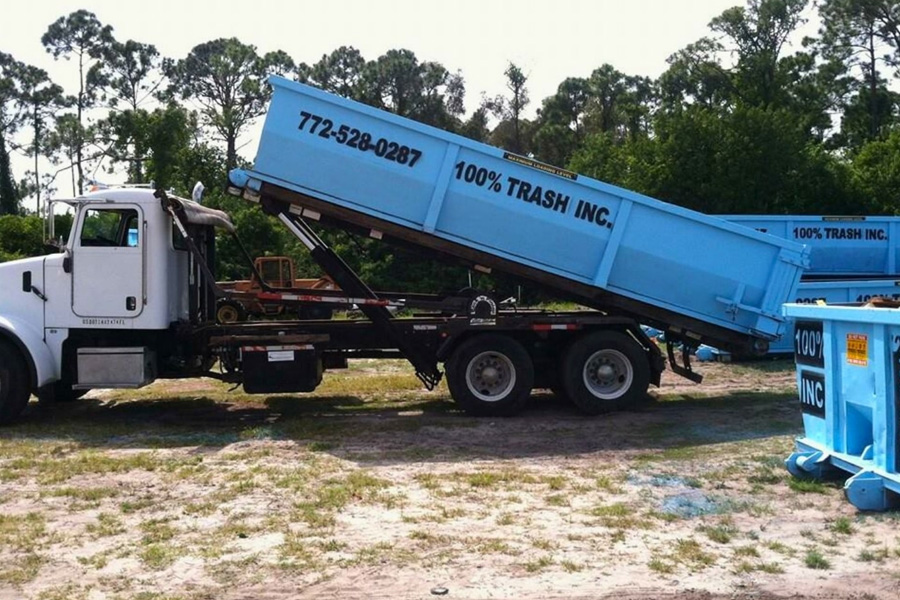
Image Source: 100percenttrash.com
Construction site cleanliness is one of those things that separates professional operations from amateur ones — visibly, immediately, and in ways that have real consequences. A clean site moves faster, runs safer, creates fewer disputes with neighbours and inspectors, and reflects the kind of operational discipline that clients notice even when they cannot articulate exactly what they are responding to. In Port St. Lucie, where residential construction and renovation activity has been running at an elevated pace for several consecutive years, the difference between a well-managed site and a chaotic one is increasingly apparent to everyone from passing homeowners to city code enforcement officers conducting routine checks.
Compliance is the other dimension of this equation. Florida’s construction industry operates within a layered framework of municipal, county, and state requirements that govern everything from stormwater runoff to debris containment. Port St. Lucie has its own code enforcement priorities, and waste management on active construction sites sits squarely within the category of things that get flagged when they are handled poorly. Getting this right is not just about avoiding fines — it is about running a professional operation that does not create unnecessary friction at any point in the project lifecycle.
Here is what that looks like in practice.
Tip 1: Treat Waste Removal as a Site System, Not a Reactive Task
The single biggest operational mistake on construction sites is treating debris removal as something that happens when things get too messy to ignore. By that point, the site is already slower, less safe, and more difficult to manage than it needs to be. The more productive approach is to design waste removal into the site plan from the start — deciding before the first tool is lifted where debris goes, how often containers are cleared, and who on the crew is responsible for maintaining that system. Construction sites that run efficiently almost always have waste management built into their daily rhythm rather than treated as a periodic cleanup event.
Tip 2: Match Container Capacity to Project Phase, Not Just Project Size
Different phases of a construction project generate waste at different rates and in different volumes. The early demolition and structural phase tends to produce the heaviest, densest debris — concrete, masonry, old framing. The mid-project mechanical and fit-out phase generates a different mix of packaging, timber offcuts, and trade waste. The finishing phase produces lighter but surprisingly voluminous material. A single container size booked for the entire project duration rarely serves all three phases equally well. For larger projects, consider whether a phased container strategy — different sizes or swap-outs timed to project phases — serves you better than a fixed approach from start to finish.
Tip 3: Know Port St. Lucie’s Construction Site Waste Regulations
Port St. Lucie’s code enforcement division actively monitors construction sites, and waste containment is among the conditions that generate notices of violation when not properly managed. Debris that migrates off-site onto adjacent properties, public footpaths, or roadways is a compliance issue regardless of whether it was blown there by wind or carried by foot traffic. Requirements around debris containment — including fencing, netting, and covered container requirements in certain circumstances — apply to active sites throughout the build. Familiarise yourself with the specific requirements before the project begins rather than learning about them through a violation notice partway through.
Tip 4: Weight Is the Cost Variable That Catches Construction Projects Off Guard
Construction debris is among the heaviest category of waste that goes into a roll-off container. Concrete rubble, masonry, roofing material, tile, and soil all reach weight limits fast — often before the container is visually full. For construction dumpster rental port st lucie projects involving significant demolition or structural work, the difference between the base rental rate and the final invoice can be substantial if weight overages have not been planned for. Before booking, get the specific weight allowance in the rental rate and the per-ton overage charge in writing. For heavy demolition phases, consider whether a dedicated concrete and masonry container — which some providers offer at better rates for single-stream heavy material — makes more financial sense than mixing everything into a general roll-off.
Tip 5: Separate Material Streams Where It Makes Operational Sense
On construction sites generating significant volumes of waste, material separation is not just an environmental consideration — it is an economic one. Clean timber, cardboard and packaging, metals, and general mixed debris each have different disposal costs and in some cases different disposal routes. A container loaded exclusively with clean timber offcuts may qualify for lower disposal rates than a mixed load. Metals have salvage value that mixed disposal throws away entirely. The separation does not need to be exhaustive or time-consuming — it simply needs to be intentional. Designating separate areas or containers for the two or three highest-volume material streams is usually sufficient to produce a meaningful cost difference over a project of any significant scale.
Tip 6: Position Containers for Crew Efficiency and Site Safety
Where a container sits on a construction site affects both how efficiently the crew works and how safely the site operates. A container placed too far from the primary work area means debris is being carried longer distances — which slows work and increases the temptation to leave material where it falls rather than making the trip. A container positioned without thought for vehicle access can create blind spots, restrict equipment movement, or block emergency access routes. Before the first delivery, think through container placement the same way you think through material staging — in terms of workflow, safety, and the practical reality of how the site will operate day to day.
Tip 7: Plan for Swap-Outs on Projects With Extended Timelines
On construction projects running several weeks or longer, a single container rental from start to finish is rarely the most efficient approach. Containers fill, rental periods expire, and the alternative — overfilling a container past its legal load limit or allowing debris to accumulate on the site while waiting for pickup — creates both compliance risk and operational disruption. Build container swap-outs into your project schedule the same way you schedule material deliveries and trade sequencing. Knowing in advance when you will need a container cleared and replaced, and communicating that schedule to your provider, produces a smoother result than reactive last-minute pickup calls when the bin is already overflowing.
Tip 8: Stormwater Compliance Intersects With Your Waste Management
Florida’s construction stormwater rules require active sites above a certain threshold to implement and maintain stormwater pollution prevention measures, and the condition of your site — including how debris is contained — directly affects compliance with those requirements. Loose debris near drainage points, improperly contained material that can be carried by runoff, and uncovered containers during heavy rain events can all create stormwater compliance issues that go beyond simple site tidiness. In a city that experiences significant rainfall during the wet season, integrating waste containment into your broader stormwater management plan is both a compliance requirement and a practical operational necessity.
Tip 9: Communicate Container Needs to Your Provider as the Project Evolves
Construction projects change. Timelines shift, material volumes differ from estimates, trade sequencing gets reordered, and the waste removal requirements that made sense at the project planning stage may look different three weeks into the build. Good providers can accommodate those changes — swap-outs, size upgrades, extended rental periods, additional containers for specific phases — but only if they have enough notice to plan around their own fleet and scheduling constraints. Treating your waste removal provider as an active part of the project communication chain rather than a one-time vendor produces better outcomes, particularly on larger or longer-duration jobs where flexibility is genuinely needed.
Tip 10: Build Complete Waste Removal Costs Into Your Project Bid From the Start
For contractors, the financial discipline that separates profitable projects from marginal ones often comes down to how completely costs are captured at the bidding stage. Waste removal is a category that gets underestimated with notable regularity — either because the volume of debris is underestimated, weight overages are not planned for, or the number of container swap-outs required over a project’s duration is not fully accounted for. Construction dumpster rental port st lucie costs, fully itemised to include weight allowances, potential overages, extended rental periods, and swap-out fees, belong in every project bid as a complete line item. The projects that finish on budget are the ones where those numbers were pinned down at the start rather than discovered at the invoicing stage.
Port St. Lucie’s construction sector is operating in a sustained growth environment that shows little sign of slowing. In that environment, the contractors who build reputations for professional, well-managed site operations — clean, compliant, and efficient — are the ones who attract better clients, experience fewer regulatory complications, and run projects that finish closer to schedule and budget than the competition. Waste management is not the most visible part of that professionalism, but it is one of the most consistently telling indicators of how an operation is run overall.


Leave a reply
You must be logged in to post a comment.




If you need some professional or DIY home-related tips? You have clicked the https://www.prettypracticalhome.com/.
Bookmark this blog to get ideas about Home Improvement, Interior Design or Any other Home Improvement project. Keep visiting the blog as we maintain on daily basis.