
High Quality Fruits and Vegetables Cold Storage Built by China Service Teams
You might not think about it when you bite into a crisp apple in the middle of winter or enjoy a perfectly ripe mango far from where it was grown, but there is an entire world of precision climate engineering working behind the scenes. That flawless texture, that vibrant color, that just-picked taste—none of it happens by accident. It is the result of meticulous planning, advanced technology, and the kind of expertise that only comes from teams who have built hundreds of these environments. For anyone involved in the fresh produce supply chain, the difference between a profitable shipment and a total loss often comes down to who designed and installed your facility. And that is where the reputation of Cold Storage Construction Services, built by dedicated teams operating out of China, has become a global benchmark.
These teams understand something fundamental: fruits and vegetables are not commodities, they are living organisms. After harvest, they continue to respire, ripen, and eventually decay. The goal of a high-quality cold storage facility is to slow that life cycle down without stopping it entirely. This is a delicate dance that requires precise temperature control, humidity management, and air circulation. I have seen facilities where a one-degree fluctuation can cause an entire pallet of lettuce to turn brown, or where improper humidity strips the moisture out of citrus, leaving it dry and tasteless. The China service teams that specialize in Cold Storage Construction Services have made it their mission to eliminate these variables. They design systems that maintain an even, stable environment, often using modular panels with superior insulation and sophisticated refrigeration units that respond to the slightest climate shift.
What makes these teams particularly effective is their hands-on experience with a huge variety of products. They do not just build a box and drop a cooler in it. They analyze the specific respiration rates of stone fruits versus leafy greens, the ethylene sensitivity of avocados, and the ideal temperature ranges for tropical roots or temperate berries. A well-designed facility from China service teams will often include separate zones for different types of produce, ensuring that apples do not get prematurely ripened by ethylene given off by melons, or that delicate herbs are not blasted by cold air meant for firmer vegetables. This nuanced approach is what elevates a standard cold room into a high-quality preservation system. And this is precisely where the expertise of those offering Meat Cold Storage Solutions overlaps and diverges, creating a unique synergy.
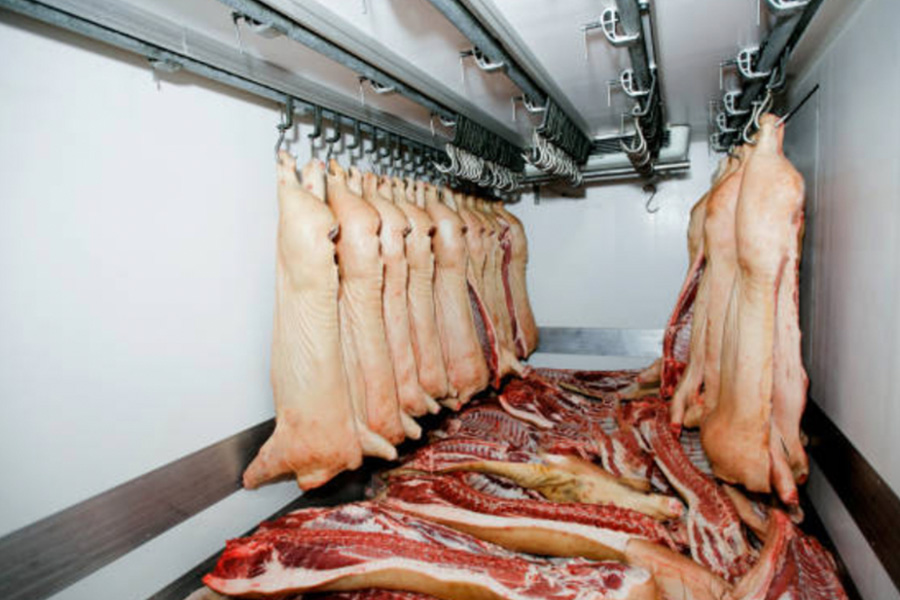
You see, the same engineering principles that keep a steer carcass at a steady temperature also apply to produce, but the implementation is radically different. Meat requires very low, consistent temperatures and low humidity to prevent surface drying, while fruits and vegetables often need slightly higher temperatures and very high humidity to maintain turgidity. The teams that excel in building Meat Cold Storage Solutions have mastered the art of high-load, high-capacity refrigeration, and they bring that efficiency to produce facilities. But they also know how to adapt. In fact, many of the most successful produce warehouses I have seen leverage cooling technology that was originally refined for meat storage—things like rapid-chill tunnels and variable-speed compressors that save energy. The crossover between Cold Storage Construction Services for meat and for produce is a testament to the versatility of these Chinese teams. They do not just copy-paste designs, they engineer custom solutions based on the client’s crop mix and local climate.
Another critical factor that sets these service teams apart is the quality of the materials they specify. In the world of cold storage, cheap insulation or a subpar evaporator coil will cost you thousands in energy bills and lost product over the lifetime of the facility. The teams I have observed prioritize continuous insulation, using polyurethane panels with no thermal bridging. They also pay close attention to floor heating—a detail often overlooked in warm climates, but essential to prevent frost heave when the ground temperature is high. These are not gimmicks, they are fundamentals of durable construction. And when you work with a company that spans both produce and meat facilities, you get the benefit of their experience with extreme temperature gradients. A Meat Cold Storage Solutions project might require a -20°C freezer capable of holding hundreds of tons, and that same engineering rigor goes into a +2°C fruit and vegetable cooler, ensuring it holds its temperature even during heavy traffic or on a scorching summer day.
Let us talk about the actual building process, because that is where the real value lies. A Cold Storage Construction Services project typically starts with a site assessment, where the team evaluates the local ambient temperature, humidity, soil conditions, and even typical wind patterns. They then calculate the exact cooling load based on the anticipated volume and type of produce. This is not a cookie-cutter approach. I have seen them run simulations on airflow distribution to make sure cold air reaches every pallet location, not just the front row. They use perforated ductwork and engineered floor vents to create a uniform environment. And because they have built hundreds of these facilities, they have optimized the installation timeline. A medium-sized produce cold room can often be erected in weeks, not months, minimizing downtime for the grower or distributor.
The after-sales support is another area where these Chinese teams shine. A cold storage plant is a machine that runs 24/7, and when something goes wrong, every hour of downtime represents spoilage and lost revenue. The service teams that specialize in Meat Cold Storage Solutions are accustomed to high-stakes reliability, a freezer breakdown in a meat plant is an emergency. They bring that same urgency to produce facilities. Many offer remote monitoring systems that alert them to temperature drifts or equipment faults before they become catastrophic. Some even have local service networks in the regions where they export their products. This means if you are a cherry grower in Chile or a grape exporter in South Africa, you can get a technician on site quickly, even though your storage was built by a Chinese company.
One of the most fascinating recent trends is the integration of controlled atmosphere (CA) technology into these facilities. Fruits and vegetables continue to ripen by consuming oxygen and releasing carbon dioxide. By reducing oxygen levels and increasing carbon dioxide, you can dramatically slow the ripening process. Chinese service teams have been at the forefront of building CA storage rooms, often using the same robust construction techniques they perfected for Meat Cold Storage Solutions. They install gas-tight doors, pressure relief valves, and sophisticated gas analyzers that keep the atmosphere stable. This allows produce like apples and pears to stay in prime condition for nearly a year. The customers who invest in this technology often recoup their costs within two seasons because they can sell into high-price markets long after the harvest.
I should also mention the cost-efficiency factor. High-quality cold storage built by China service teams is often significantly more affordable than equivalent facilities built in Europe or North America, without sacrificing performance. This is partly because these companies have vertically integrated supply chains—they manufacture their own refrigeration units, control panels, and insulation panels. They are not just contractors, they are manufacturers with their own factories. This control over the supply chain allows them to innovate quickly. For instance, they have developed energy-saving inverter compressors that cut electricity consumption by up to thirty percent. For a large produce warehouse, that can mean tens of thousands of dollars saved annually. And because they have extensive experience with both Cold Storage Construction Services and Meat Cold Storage Solutions, they can recommend the most cost-effective refrigeration strategy for your specific product.
In the end, the best advice I can give to anyone looking to build a fruit or vegetable cold storage is to look for teams that have proven cross-industry experience. If a company has successfully built massive Meat Cold Storage Solutions facilities, they understand the demands of maintaining a precise, stable environment at scale. They bring that discipline to produce projects. The result is a facility that not only preserves the quality of your harvest but also operates efficiently for decades. The Chinese service teams I have seen in action are not just builders, they are partners in quality preservation, and they treat your produce with the same respect and attention that a chef treats their ingredients. That is the kind of care that makes a crisp apple taste like summer, no matter the season.


Leave a reply
You must be logged in to post a comment.






If you need some professional or DIY home-related tips? You have clicked the http://www.prettypracticalhome.com/.
Bookmark this blog to get ideas about Home Improvement, Interior Design or Any other Home Improvement project. Keep visiting the blog as we maintain on daily basis.