
How a Reliable HVAC Service Schedule Can Extend System Lifespan
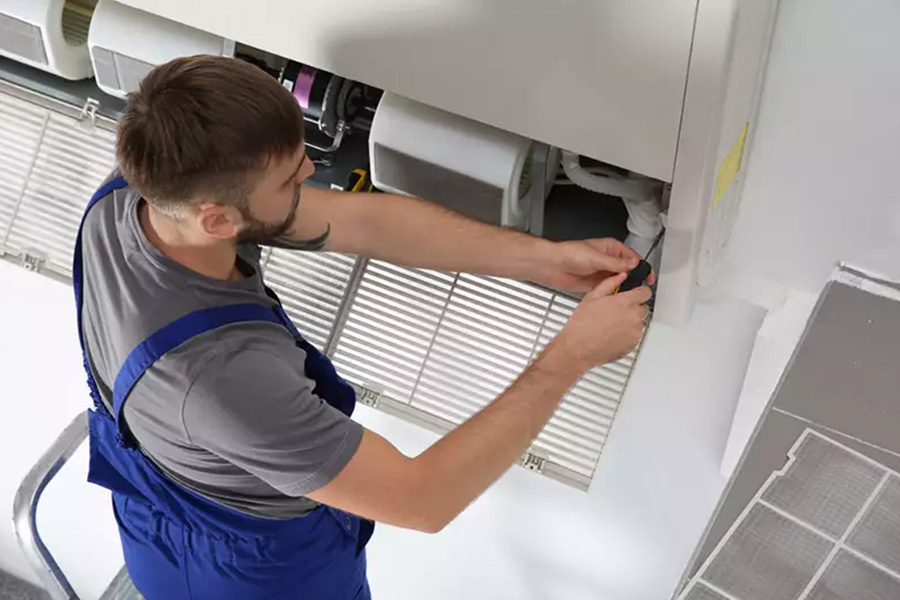
Image Source: www.mastermechanical.net
Most homeowners rely heavily on their heating and cooling systems throughout the year but rarely think about maintenance until something stops working. Unfortunately, waiting for a breakdown often leads to expensive repairs, reduced efficiency, and unnecessary stress during extreme weather. A reliable HVAC service schedule helps prevent these issues while keeping your system running smoothly for longer.
Regular maintenance is one of the simplest ways to protect your investment and maintain a comfortable indoor environment. Homeowners who follow a professional service maintenance plan often experience fewer unexpected problems, lower utility bills, and more consistent heating and cooling performance throughout the year. Small routine checks can make a significant difference in how efficiently an HVAC system operates over time.
Why HVAC Systems Wear Down Faster Without Regular Maintenance
HVAC systems work hard throughout every season. During summer, cooling systems may run for hours every day, while heating systems face similar pressure during winter. Without routine servicing, this constant workload gradually creates wear on important components.
Dust, dirt, and debris naturally collect inside the system over time. Air filters become clogged, airflow becomes restricted, and internal parts must work harder to maintain comfortable temperatures. This additional strain increases energy consumption and accelerates mechanical wear.
Neglected systems also struggle to regulate humidity and airflow effectively. As efficiency drops, homeowners may notice uneven temperatures, longer running cycles, or higher energy bills. Small issues that could have been resolved quickly may eventually develop into larger and more expensive repairs.
Regular maintenance helps technicians identify these problems early before they affect the entire system.
The Key Benefits of Following a Consistent HVAC Service Schedule
A structured maintenance schedule offers far more than simple inspections. It supports the overall health of the HVAC system and helps homeowners avoid common operational issues.
Improved Energy Efficiency
When HVAC systems remain clean and properly adjusted, they use less energy to maintain indoor comfort. Clean coils, unrestricted airflow, and calibrated thermostats allow the system to operate more efficiently without unnecessary strain.
This improved efficiency can help reduce monthly utility costs while maintaining stable indoor temperatures.
Fewer Emergency Repairs
Unexpected HVAC breakdowns are often linked to neglected maintenance. Routine inspections allow technicians to spot worn components, loose electrical connections, or refrigerant issues before they lead to major failures.
Preventative servicing reduces the risk of sudden problems during peak heating or cooling seasons when HVAC systems work hardest.
Longer Equipment Lifespan
Heating and cooling systems represent a major household investment. Most homeowners want their equipment to last as long as possible before replacement becomes necessary.
Routine maintenance helps extend system lifespan by reducing wear on essential components. Well-maintained HVAC systems often perform reliably for many more years compared to neglected units.
Better Indoor Air Quality
Dirty HVAC systems can circulate dust, allergens, and airborne particles throughout the home. Replacing filters and cleaning important components improves indoor air quality and supports a healthier living environment.
This is especially important for households with allergies, pets, or respiratory sensitivities.
Essential HVAC Maintenance Tasks Homeowners Should Never Ignore
Some maintenance tasks are simple enough for homeowners to manage regularly between professional inspections. Staying proactive helps improve system performance and prevents avoidable issues.
Important maintenance tasks include:
- Replacing air filters every one to three months
- Keeping outdoor units free from leaves and debris
- Cleaning vents and registers to maintain airflow
- Monitoring thermostat accuracy
- Checking for unusual noises or odours
- Ensuring vents are not blocked by furniture or curtains
Although these steps are useful, professional servicing remains essential for deeper inspections and technical maintenance.
Signs Your HVAC System May Be Missing Necessary Servicing
Many HVAC problems develop gradually rather than appearing suddenly. Recognising early warning signs can help homeowners arrange maintenance before more serious damage occurs.
Rising Energy Bills
A sudden increase in utility costs often indicates reduced HVAC efficiency. Dirty components or airflow restrictions force the system to consume more energy than necessary.
Uneven Temperatures
If some rooms feel warmer or colder than others, airflow problems or system imbalance may be developing.
Weak Airflow
Poor airflow can result from blocked filters, dirty ductwork, or failing internal components. Weak airflow often reduces comfort and increases operating strain.
Frequent Cycling
Short cycling occurs when the HVAC system turns on and off too frequently. This issue may signal thermostat problems, airflow restrictions, or overheating components.
Unusual Sounds or Smells
Grinding, rattling, burning smells, or musty odours should never be ignored. These symptoms may indicate mechanical issues or moisture-related problems inside the system.
Addressing these warning signs early can help avoid more expensive repairs later.
Seasonal HVAC Maintenance Tips for Year-Round Performance
Different seasons place different demands on HVAC systems. Seasonal maintenance helps ensure reliable performance throughout the year.
Spring Cooling Preparation
Before summer temperatures arrive, cooling systems should be inspected and cleaned thoroughly. This includes checking refrigerant levels, cleaning condenser coils, and testing thermostat performance.
Preparing the system early reduces the chance of breakdowns during hot weather.
Autumn Heating Inspections
Heating systems should be inspected before winter begins. Furnaces, heat pumps, and other heating equipment benefit from safety checks, airflow inspections, and component testing.
Early servicing also ensures homeowners are not left without heating during colder months.
Keeping Outdoor Units Clear
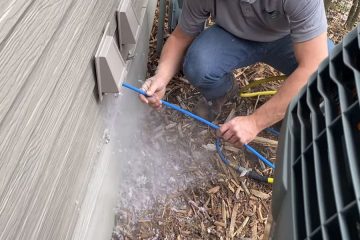
Outdoor HVAC units need adequate airflow to operate efficiently. Grass, leaves, dirt, and nearby vegetation should be cleared regularly to prevent airflow restrictions.
Maintaining clear space around outdoor equipment helps improve efficiency and system reliability.
Professional HVAC Inspections vs DIY Maintenance
Homeowners can handle several basic maintenance tasks themselves, but professional inspections remain extremely important for long-term system performance.
Certified HVAC technicians can identify hidden issues that are difficult to detect without specialized tools or experience. They inspect electrical connections, test safety controls, measure system efficiency, and identify worn components before failures occur.
Professional servicing also supports manufacturer warranty requirements for many HVAC systems. Skipping scheduled maintenance could affect warranty protection if major repairs become necessary later.
DIY maintenance works best when combined with regular professional inspections rather than replacing them entirely.
Conclusion
A reliable HVAC maintenance schedule is one of the most effective ways to improve heating and cooling efficiency, reduce long-term repair costs, and extend the lifespan of your entire HVAC system. Regular inspections, seasonal tune-ups, filter replacements, and preventative servicing help keep important components operating at peak performance while reducing strain on the equipment.
Well-maintained HVAC systems provide better airflow, healthier indoor air quality, more consistent temperatures, and lower monthly energy bills throughout every season. Homeowners who prioritise preventative HVAC maintenance are also less likely to experience sudden breakdowns during extreme weather conditions. By investing in professional servicing and routine system care, homeowners can protect their comfort, improve energy efficiency, and maximise the long-term value and reliability of their heating and cooling system for many years to come.


Leave a reply
You must be logged in to post a comment.





If you need some professional or DIY home-related tips? You have clicked the http://www.prettypracticalhome.com/.
Bookmark this blog to get ideas about Home Improvement, Interior Design or Any other Home Improvement project. Keep visiting the blog as we maintain on daily basis.