
The Complete Guide to Aquarium Plants for a Thriving Tank
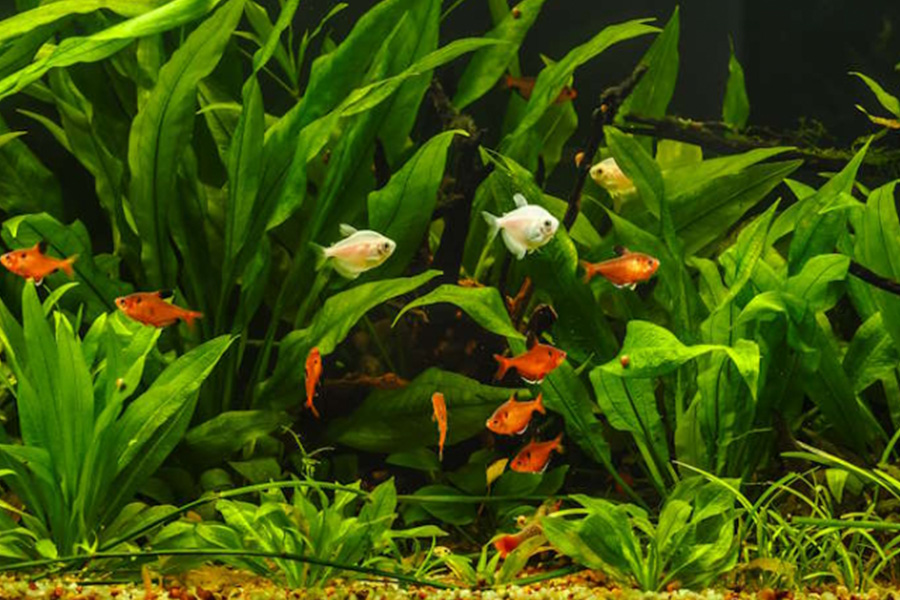
Creating a vibrant and visually stunning aquarium goes beyond simply adding colorful fish and decorative substrates. Many experienced fishkeepers recommend taking things further by exploring the rewarding world of aquarium plants. Building a planted aquarium introduces a dynamic, living element to your tank, enhancing both its beauty and ecological balance. While it may seem complex at first, aquarium planting is an exciting and achievable project for hobbyists of all levels.
From selecting the right substrate and lighting to understanding fertilisation and plant care, there are several elements to consider when building a healthy aquatic ecosystem. With the right knowledge and a bit of dedication, you can transform your tank into a lush underwater environment that benefits both your fish and your plants.
Do Fish Tanks Need Real Plants?
Although live aquarium plants are not strictly necessary for a fish tank, they offer numerous advantages that make them highly worthwhile. Beyond their natural beauty, live plants contribute to a healthier aquarium environment in several ways.
They help improve water quality by absorbing excess nutrients, which in turn reduces the growth of unwanted algae. Plants also assist in oxygenating the water, decreasing the reliance on mechanical aeration systems. Additionally, they provide shelter and comfort for fish, helping to reduce stress and create a more natural habitat. While optional, their benefits make them a valuable addition to almost any aquarium setup.
Are Aquarium Plants Difficult to Maintain?
Caring for aquarium plants is often simpler than many beginners expect. Much like tending to a garden or indoor plants, the process is straightforward and accessible, even for those new to fishkeeping. Planting and maintaining aquatic plants does not require excessive time or effort, though it does involve some essential equipment and consistent care.
For those committed to creating a thriving planted aquarium, there are a few key components that cannot be overlooked. With the right setup and a regular maintenance routine, keeping aquarium plants healthy becomes an enjoyable and manageable part of the hobby.
A Spacious Aquarium
To begin your planted aquarium journey, you will need an appropriate tank. Fortunately, aquarium plants can thrive in tanks of various sizes, making it possible to experiment even with smaller setups. However, if you are planning a more ambitious aquascaping project, a larger aquarium is highly beneficial.
A spacious tank allows for greater creativity in layout and design, while also providing ample room for both fish and plants to grow. More space reduces competition for light and nutrients, helping plants develop more effectively and creating a balanced environment for all tank inhabitants.
Choosing the Right Substrate
For most aquarium plants, a proper substrate is essential. This provides a stable base for roots and delivers the nutrients needed for growth. There are many substrate options available, including nutrient-rich soils, natural gravels, and fine sands, each offering different benefits depending on the plants you choose.
Selecting the right substrate involves balancing aesthetics with functionality. A good substrate not only complements the overall look of your aquarium but also supports healthy root development. With so many choices available, it is important to select one that aligns with the needs of your plants and your overall aquascaping vision.
Lighting for Healthy Plant Growth
Light is a fundamental requirement for all plants, including those in aquariums. Without sufficient lighting, plants cannot perform photosynthesis effectively, which is crucial for their survival and growth. For this reason, investing in a reliable lighting system is essential.
Modern lighting solutions offer efficiency and flexibility, allowing you to adjust brightness and color spectrum to suit different plant species. Proper lighting not only promotes plant health but also enhances the visual appeal of your aquarium, highlighting the colors and textures of both plants and fish.
The Importance of Aquarium Plant Fertiliser
To ensure consistent and healthy growth, aquarium plants require access to essential nutrients. Fertiliser plays a key role in supplying these nutrients, especially in closed aquatic systems where natural replenishment is limited.
Using fertiliser is a simple and effective way to support plant development. Whether added to the water or substrate, it helps maintain vibrant growth and prevents nutrient deficiencies. Regular application, following proper guidelines, will keep your plants thriving and your aquarium looking its best.
The Role of CO2 in Planted Aquariums
Carbon dioxide is another important factor in plant health, though it is often overlooked by beginners. While not always necessary, adding a CO2 system can significantly improve plant growth, particularly for species with higher demands.
A controlled CO2 setup ensures that plants receive a steady supply of this essential element, promoting faster and healthier development. Monitoring carbon dioxide levels is equally important, as maintaining the right balance helps create an optimal environment for both plants and fish.
How to Plant Aquarium Plants
Once you have gathered all the necessary equipment, the next step is selecting and planting your aquarium plants. It is often helpful to choose plants suited to your experience level and compatible with your existing fish.
Planting should be done carefully to ensure long-term success. The exact method depends on the type of plant you are working with, and taking the time to plant them correctly will greatly improve their chances of thriving in their new environment.
Planting Floating Plants
Floating plants are among the easiest to introduce into an aquarium. They require minimal effort, as they simply need to be placed gently on the water’s surface.
It is important to ensure that the leaves remain upright and are not flipped over by water movement or fish activity. Regular checks will help keep them properly positioned and healthy.
Planting Potted Plants
Potted aquarium plants are commonly available and relatively easy to handle. Before planting, they must be removed from their containers. The material surrounding the roots should be carefully cleared away, taking care not to damage the plant.
Once the roots are exposed, trimming them slightly can encourage healthy growth. The plant can then be placed into the substrate, ensuring it is firmly secured so it remains upright and stable.
Keeping Aquarium Plants Alive
After planting, maintaining the health of your aquarium plants becomes the primary focus. Fortunately, this does not require intensive effort, but it does involve consistency and attention to detail.
Regularly adding fertiliser ensures that plants receive the nutrients they need. Monitoring carbon dioxide levels, if applicable, helps maintain a balanced environment. Providing approximately twelve hours of light each day supports proper growth. With these simple steps, your plants can remain healthy and vibrant over the long term.
Choosing the Best Aquarium Plant Substrate
There is a wide variety of substrates available for planted aquariums, each offering different benefits. From nutrient-rich soils to decorative sands and gravels, many options can support plant growth effectively.
Choosing the best substrate depends on your specific needs and preferences. Some substrates are designed to provide nutrients from the start, while others may require additional fertilisation. Understanding the requirements of your chosen plants will help you make the right decision.
One highly regarded option is a nutrient-rich substrate that contains essential elements such as iron, calcium, magnesium, potassium, and sulphur. These nutrients support strong root development and healthy plant growth, making it ideal for beginners starting their first planted aquarium.
Another effective choice is a natural clay-based gravel that can be used alone or combined with other substrates. This type of substrate is typically untreated and free from chemical coatings, helping to maintain stable water conditions and supporting long-term plant health.
Start Your Planted Aquarium Journey
Whether you are new to fishkeeping or looking to enhance an existing tank, incorporating live aquarium plants is a rewarding step forward. A well-planted aquarium not only looks stunning but also creates a healthier and more natural environment for its inhabitants.
By equipping yourself with the right tools, understanding plant care basics, and maintaining a consistent routine, you can successfully build and sustain a thriving underwater landscape. With time and experience, your planted aquarium can become a beautiful centerpiece that continues to grow and evolve.



Leave a reply
You must be logged in to post a comment.







If you need some professional or DIY home-related tips? You have clicked the http://www.prettypracticalhome.com/.
Bookmark this blog to get ideas about Home Improvement, Interior Design or Any other Home Improvement project. Keep visiting the blog as we maintain on daily basis.