
Pest Control Requirements for Restaurants and Food Businesses
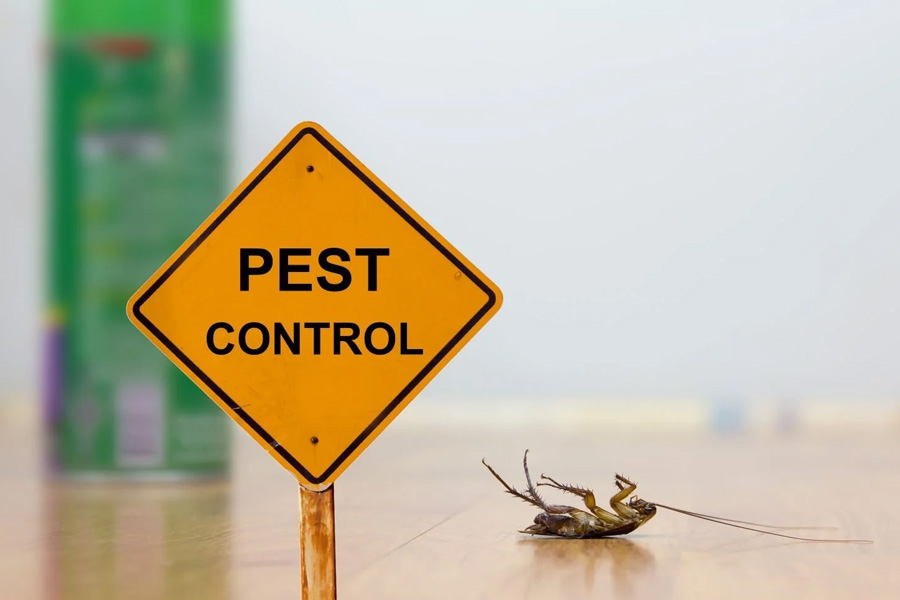
Image Source: mothernaturesinc.com
Running a food business in the UK comes with legal obligations around pest control that go well beyond simply calling someone out when a problem’s already visible. Understanding these requirements properly protects both public health and the business itself from the serious consequences a pest infestation can bring.
The Legal Framework Behind It
Food businesses operate under the Food Safety Act 1990 and the Food Hygiene Regulations, which require premises to be kept free from pests capable of contaminating food. This isn’t a vague suggestion. Environmental health officers actively check for evidence of pest activity during routine inspections, and finding signs of infestation can lead to enforcement action, closure notices, or in serious cases, prosecution.
What Inspectors Actually Look For
Droppings, gnaw marks, nesting materials and grease trails all count as evidence during an inspection, and a business doesn’t need an active, visible infestation to fail on pest control grounds. Historical signs of activity, even if the pests themselves aren’t currently present, raise red flags about how well a business manages ongoing prevention rather than just reacting after problems appear.
Preventative Measures Businesses Must Take
Sealing entry points, maintaining clean food storage areas, and ensuring waste is stored and disposed of properly all form part of a business’s basic pest control obligations. Bins left uncovered or food waste stored too close to the building are common contributing factors that inspectors specifically look for, since they attract pests that might otherwise never find their way inside.
The Role of Regular Professional Inspections
Most food businesses benefit from a contract with pest control experts who conduct scheduled visits rather than waiting for a problem to emerge before taking action. Regular inspections catch early signs of activity, whether that’s a few droppings near a storage area or evidence of gnawing on packaging, well before an issue becomes a full infestation that threatens both hygiene ratings and reputation.
Documentation Matters as Much as Prevention
Keeping records of pest control visits, treatments applied, and any issues identified isn’t just good practice; it’s often expected as part of demonstrating due diligence during an inspection. A business with clear, consistent documentation shows an environmental health officer that pest control is taken seriously as an ongoing responsibility rather than an occasional afterthought.
Specific Risks in Commercial Kitchens
Kitchens present particular challenges because of constant food presence, warmth from cooking equipment, and frequent deliveries that create opportunities for pests to enter unnoticed. Rodents are drawn to food storage areas, while flies and cockroaches thrive in warm, humid kitchen environments if hygiene standards slip even slightly. Drainage systems and areas behind large equipment, which are easy to overlook during routine cleaning, need specific attention during any professional pest inspection.
Consequences of Getting It Wrong
A confirmed pest problem discovered during an inspection can result in a lowered food hygiene rating, which is publicly displayed and directly affects customer trust and footfall. In more serious cases, businesses face closure until the issue is resolved, with potential fines and lasting reputational damage that can outlast the pest problem by months or years.
Building Pest Control Into Daily Operations
The businesses that manage this best don’t treat pest control as a separate task handled by an external contractor. Staff need training to spot early warning signs, report them promptly, and maintain the daily hygiene standards that make a property far less attractive to pests in the first place. Combining internal vigilance with professional support creates considerably stronger protection than relying on either approach alone.
Leave a reply
You must be logged in to post a comment.







If you need some professional or DIY home-related tips? You have clicked the http://www.prettypracticalhome.com/.
Bookmark this blog to get ideas about Home Improvement, Interior Design or Any other Home Improvement project. Keep visiting the blog as we maintain on daily basis.