
What Is A BDA? Everything You Need To Know
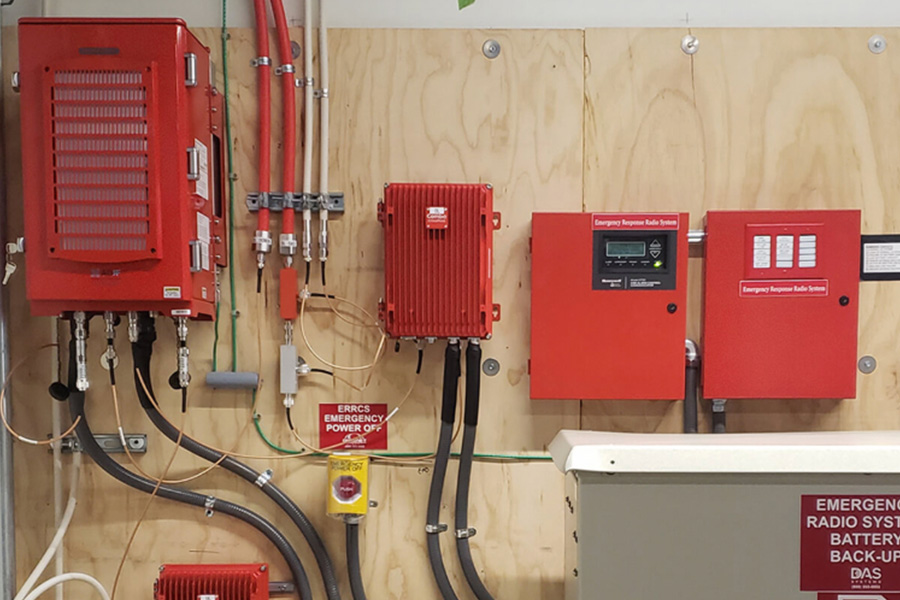
Clear communication during emergencies is one of the most important parts of keeping people safe inside a building. This is why the BDA Fire Alarm System USA has become an important solution for many commercial, industrial, and public buildings. A Bi-Directional Amplifier, also known as a BDA system, helps improve radio communication for firefighters, police officers, and emergency responders. In buildings where radio signals are weak because of thick walls, steel structures, or underground areas, a BDA system helps make communication stronger and more reliable and for this, companies turn to https://firecontrolutah.com. These systems are now widely used across the United States to support fire safety, emergency response, and building code compliance.
What is a BDA System and How Does It Work?
Understanding the Purpose of a BDA System
A Bi-Directional Amplifier system is designed to improve radio signal coverage inside buildings where communication signals are weak or blocked. Large buildings often create problems for emergency radio communication because materials like concrete, metal, and glass can stop signals from traveling properly. During emergencies, poor communication can slow down response times and make rescue operations more difficult.
A BDA system solves this problem by receiving weak radio signals, strengthening them, and then sending the stronger signals throughout the building. This allows firefighters, police officers, and other emergency workers to communicate clearly no matter where they are inside the structure. Reliable communication can help first responders work faster, stay safer, and coordinate better during dangerous situations.
Main Components of a BDA System
A BDA system includes several important parts that work together to improve communication coverage. The amplifier is responsible for boosting weak radio signals. Antennas are placed throughout the building to receive and distribute those signals evenly. Cables and distribution equipment connect all the system components together and help maintain stable coverage in every area.
Many buildings also connect their BDA systems with fire alarm and security systems. This setup helps ensure that communication remains active during emergencies such as fires, evacuations, or rescue operations. By supporting dependable communication, BDA systems help improve overall building safety and emergency preparedness.
Why BDA Systems are Important for Emergency Response
Emergency responders depend heavily on radio communication while handling fires, medical emergencies, and rescue situations. In buildings without proper radio coverage, responders may experience dropped signals or complete communication loss. This can create confusion and delay important decisions during emergencies.
BDA systems help prevent these problems by ensuring strong and clear radio coverage throughout the building. Hospitals, high-rise buildings, schools, hotels, warehouses, and shopping centers often require these systems because of their size and structure. Better communication allows emergency teams to coordinate quickly, share important updates, and protect both building occupants and fellow responders more effectively.
BDA System Requirements, Installation, and Compliance
When a BDA System is Required
Many local and national safety regulations require BDA systems in buildings where emergency radio signals are too weak. Standards from organizations such as the National Fire Protection Association and the International Code Council help guide these requirements. Building inspectors and fire departments often test radio signal strength to determine whether a BDA system is needed.
Buildings with underground parking garages, stairwells, elevators, basements, and thick construction materials are more likely to require a BDA system. Industries such as healthcare, hospitality, manufacturing, education, and commercial real estate commonly install these systems to meet safety standards and improve emergency communication reliability.
The BDA System Installation Process
Installing a BDA system begins with a professional site survey and signal test. During this process, technicians check the building to identify weak areas where radio communication does not work properly. After the assessment, the proper equipment is selected and installed based on the size and layout of the building.
The installation process includes placing antennas in key locations, connecting cables, and configuring the amplifier system for proper signal distribution. Once everything is installed, technicians perform testing and commissioning to confirm that the system meets fire safety codes and communication standards. Professional installation is very important because even small mistakes can affect signal performance during emergencies.
Staying Compliant with Safety Regulations
Maintaining compliance with fire and building regulations is an important part of owning and managing a property. BDA systems must be regularly inspected and tested to ensure they continue working properly over time. Local fire departments and safety inspectors may require routine maintenance records and system performance reports.
Regular inspections help identify equipment issues before they become serious problems. Staying compliant not only helps avoid penalties and failed inspections but also ensures that emergency responders can communicate clearly when lives are at risk. A properly maintained BDA system provides peace of mind for building owners, employees, residents, and visitors.
Choosing the Right BDA System Provider
Choosing an experienced BDA system provider is an important decision for any building owner or manager. A trusted company should have trained professionals, proper certifications, and experience working with different building types and fire safety requirements. Reading customer reviews and checking past projects can also help determine the quality of service a company provides.
A good provider will create a customized solution based on the unique needs of the building instead of using the same setup for every project. Reliable support, maintenance services, and knowledge of current safety codes are also important factors to consider. Working with the right company helps ensure that the BDA system will operate correctly, remain compliant, and provide dependable communication during emergencies.



Leave a reply
You must be logged in to post a comment.






If you need some professional or DIY home-related tips? You have clicked the http://www.prettypracticalhome.com/.
Bookmark this blog to get ideas about Home Improvement, Interior Design or Any other Home Improvement project. Keep visiting the blog as we maintain on daily basis.